Everything Old is New Again

It’s easy to blame Amazon.com for the downfall of on-site shopping, but there are larger social forces at work, generational and technological shifts in how people buy and move their goods. Still, many of the shrines erected to shopping over the last half-century stand empty, a testament to the continued migration to the digital world.

The enclosed shopping mall began life in the mid-1950s in Sweden, Wisconsin, and New Jersey, part of a movement from urban flight to suburban sprawl. The rest of America followed.

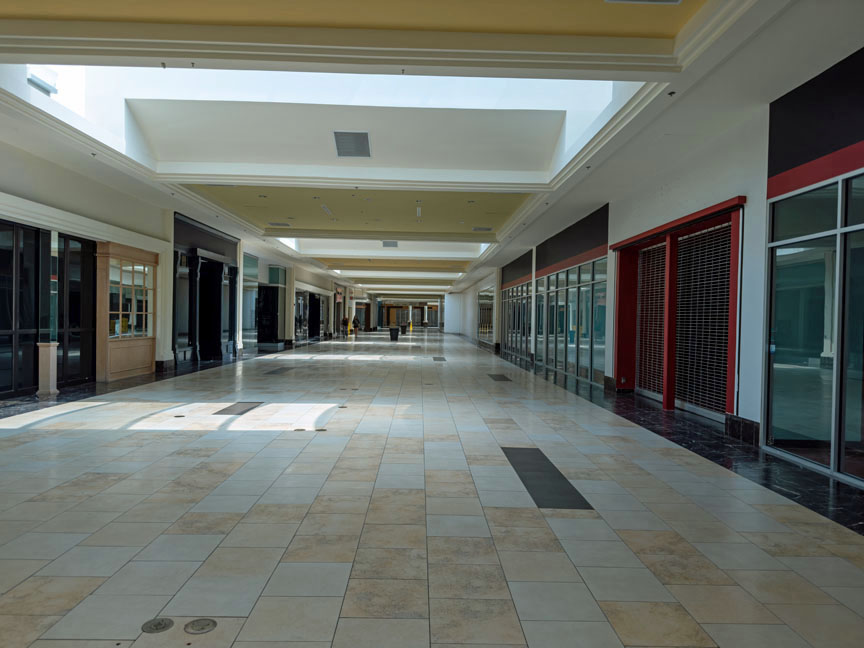
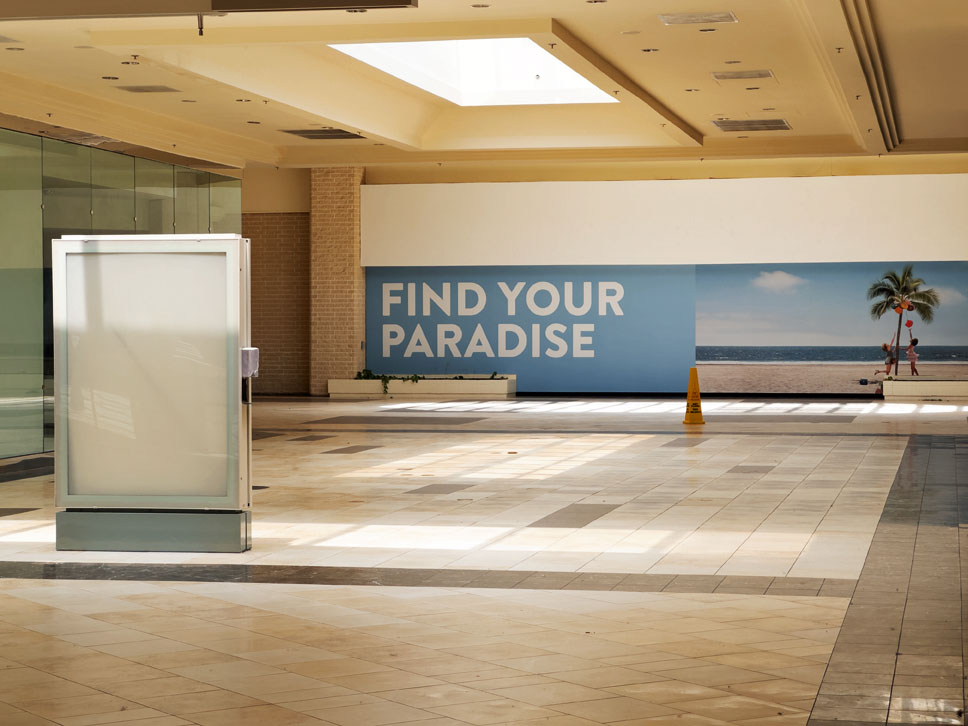
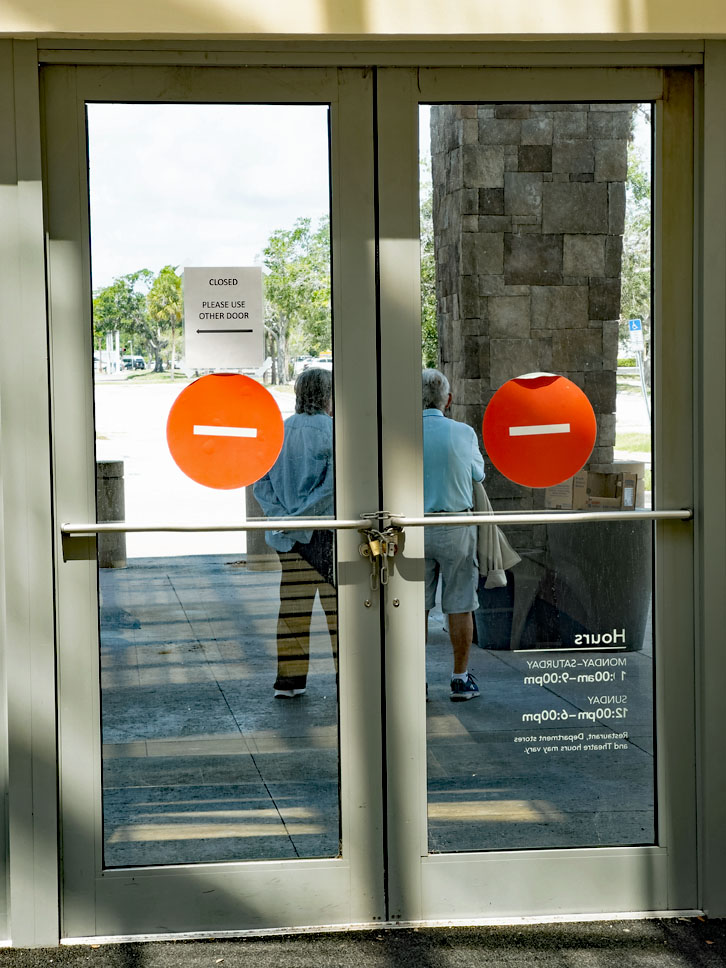
In the Gulf Coast resort town of Sarasota, Florida, the Sarasota Square Mall opened on September 28, 1977. Forty-six years later, it lies virtually empty of anyone except walkers seeking shelter from the sun. During its heyday, it featured more than a million square feet of shopping with storied merchants such as Macy’s, Sears, and JCPenney, a 12-screen AMC Theatres, and—as an add-on—a Costco. As late as 2019, the mall’s website listed 44 stores and other businesses. Today, only AMC, Costco, and two restaurants in the food court remain.

Plans to redevelop the mall into everything from senior housing to county offices have floated for years. The current owner, Torburn Partners, wants to build 1,200 apartments on the site, with grocery, retail, and restaurant space. JCPenney, Costco, and AMC would remain.

Everything old. . . .

For business, the high cost of high tide

The tide is shifting. The debate over global warming has moved from theoretical to practical. As in, what is the cost of climate change to businesses and, eventually, to all of us?

Real estate agents find themselves at the heart of the issue. Anything that affects property values affects their livelihood. So it’s encouraging to see a call to action from one of their own.

Craig Foley, chair of the National Association of Realtors’ Sustainability Advisory Group, says that ignoring the impact of climate change on real estate has serious business implications. “Particularly in coastal areas, members have told me both they and their clients are worried about declining property values and buyer interest.” The piece, entitled “We Don’t Have 50 Years to Wait,” appears in the March/April 2019 issue of Realtor magazine.

In case you think that’s the hype of tree-huggers, Foley backs his observation with well-credentialed statistics. “Researchers at the University of Colorado at Boulder and Pennsylvania State University compared properties that are similar except for their proximity to the sea and found that the more exposed homes sold for 6.6 percent less than the others during the sample period from 2007 to 2016.”

Foley ends his commentary with this thought: “As I see it, we can’t afford to be on the wrong side of history on climate change.”

That captures a core issue of Permanent Vacation, a novel in which the protagonist, real estate agent CW (Candace) McCoy, discovers that encouraging construction in a flood zone is a sure way to sink a career.

You can read Foley’s commentary here. If you buy or sell real estate and have a comment on this or any other issue, you’re welcome leave it here as well.


A rising tide floats all buildings

Sometimes reality catches up with fiction.

Yesterday, a Florida Senate committee advanced legislation that would require the state to plan for rising seas. The action comes after storm surge has repeatedly flooded parts of Miami and threatened its infrastructure.

The proposed legislation is unique in that it avoids the politically divisive issue of climate change and addresses the economic aspect of rising sea levels.

Lawmakers aren’t alone in considering the financial impact of coastal development. The economics, and ethics, of building in flood zones form the central premise of Permanent Vacation, a novel set in a fictionalized version of Sarasota and Bradenton, Florida, both of which border the Gulf of Mexico. Central to that issue is whether governments should encourage or discourage behavior that puts people and property at risk.

Permanent Vacation is available from Amazon, Apple Books, Barnes & Noble, Kobo and Smashwords. You can read the story about Florida lawmakers here.