The Power of Place

How many times have you read a novel and fallen in love with the location? (Fans of Ellis Peters and Nevada Barr, raise your hands.)

CW McCoy’s Spanish Point holds the same allure for those of us who, like CW, fled the darkness of the North for Florida’s Gulf Coast. The result is Spanish Point, a fictionalized mashup of the cities of Sarasota and Bradenton that isn’t the paradise it first seems.

Over the few weeks, we’ll look at the places in the region that inspired Curb Appeal, the third book in the mystery/suspense series featuring CW (Candace) McCoy, the former police detective turned real estate agent whose struggles with career and personal issues lead her into dangerous terrain.

While Curb Appeal is fiction, it’s the tragic attacks on real estate agents that form the backbone of the book—that and efforts by the National Association of Realtors to promote awareness and safety.

Each day on social media, we’ll take a look at the homes, boats and watering holes of CW’s friends and enemies as we reconcile the images of paradise with reality. I hope you’ll join us for a guided tour. In the meantime, here are a few deceptively ordinary images from the Gulf Coast.

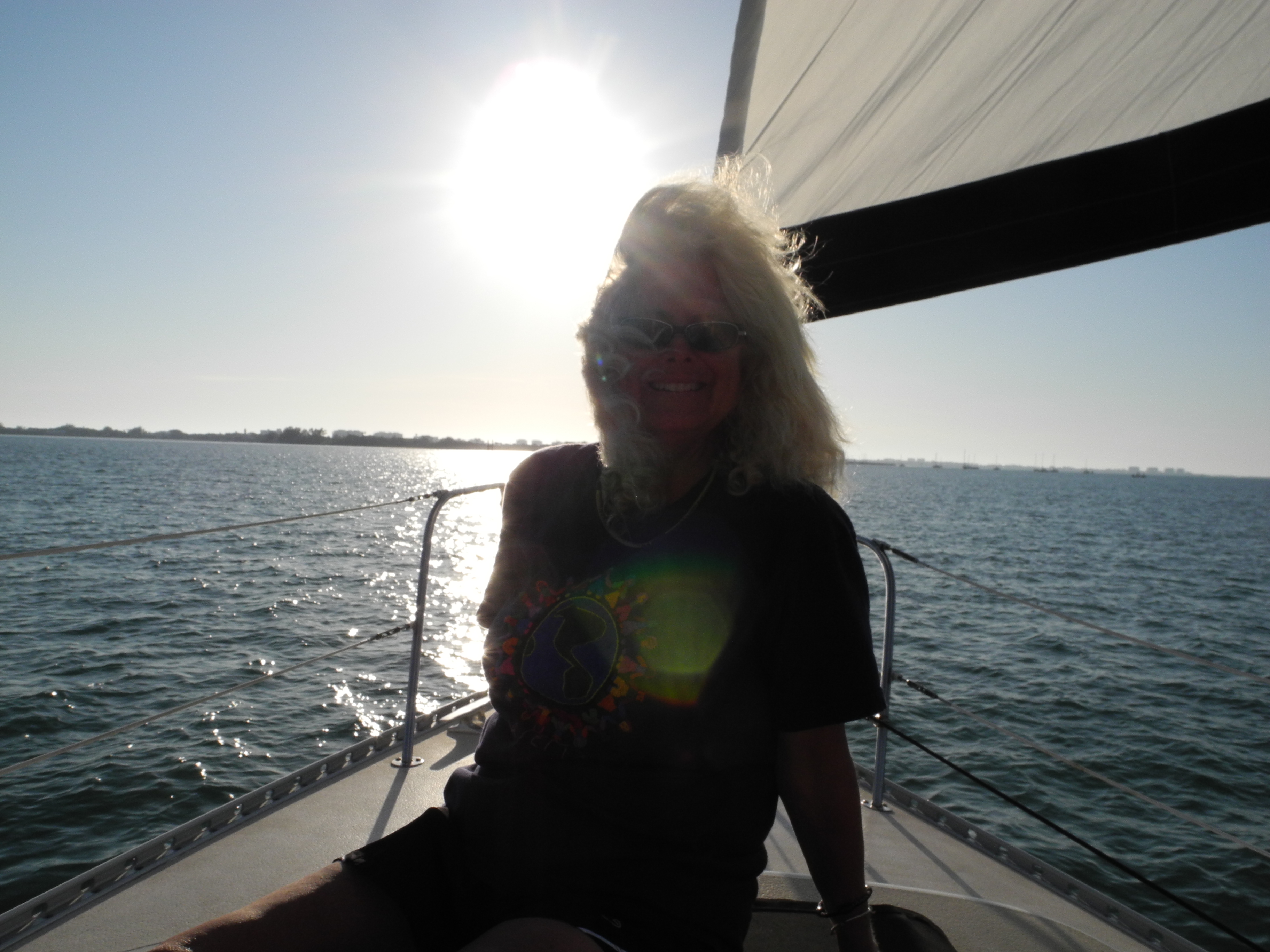
On the Gulf of Mexico near Siesta Key: sailing the high seas near sunset on a day that’s divine—until you turn your back.


Lakewood Ranch luxury: remember the movie “Play ‘Misty’ for Me”? You may never go near a soaking tub again.


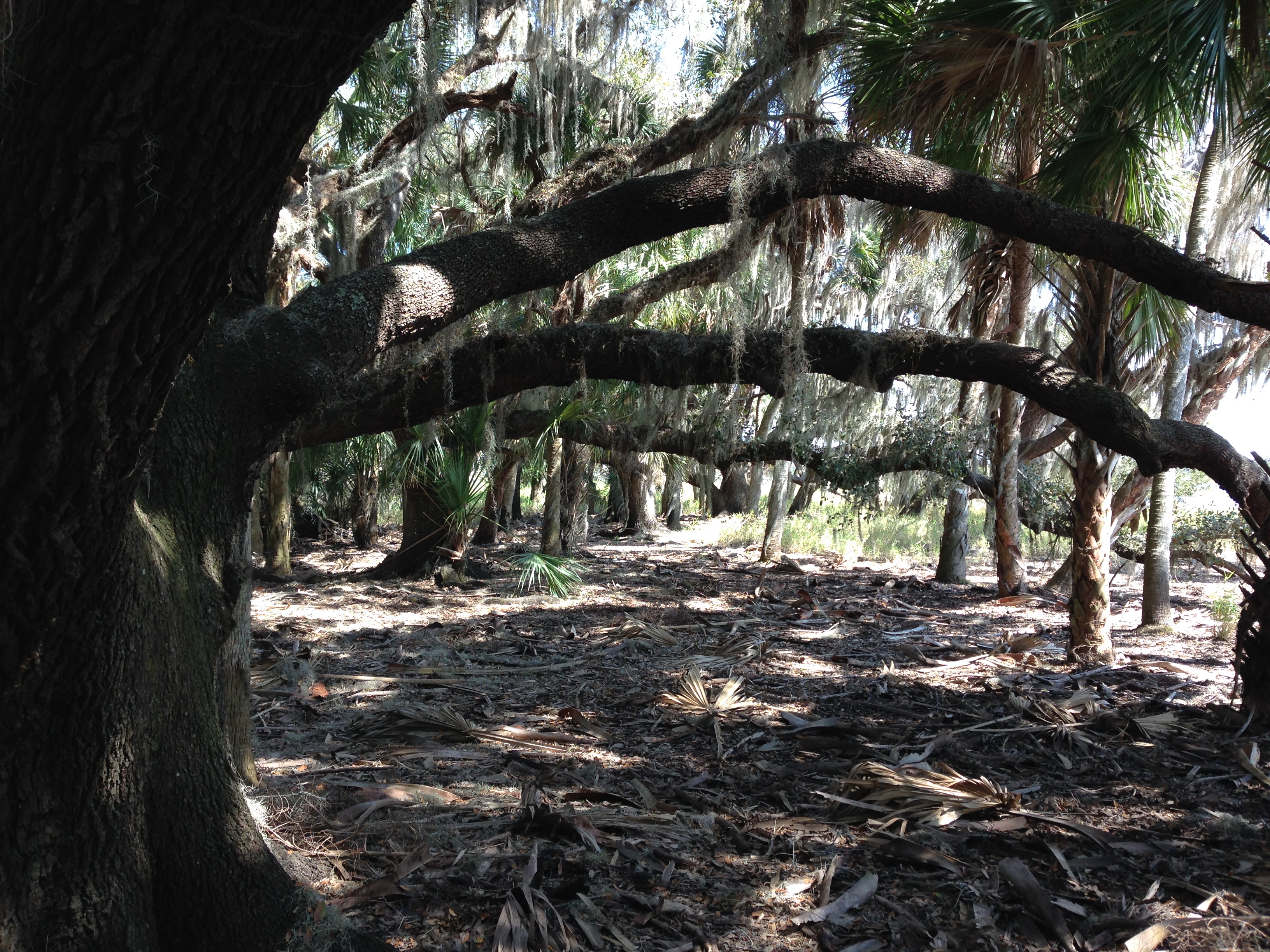
Myakka River State Park: the mysterious woods (and the alligators of Deep Hole) beckon the unsuspecting.


Dark side of the sun

Curb Appeal, the third novel in the CW McCoy series about a detective turned real estate agent, may be fiction but it has its foundation in reality. And while the book isn’t based on a specific crime, it was spurred by a dangerous trend in a seemingly benign industry.

According to the National Association of Realtors (NAR), nearly 40 percent of Realtors report that they have experienced a work-related situation that made them fear for their safety. In 2013, 25 real estate professionals were the victims of homicide, according to the latest figures from the Bureau of Labor Statistics.

Crime against agents is not a new phenomenon. In the decade between 2003 and 2012, the bureau reported an average of 17 real estate homicides per year. It is, however, one that continues to threaten the industry. In the final weeks of 2016, two real estate agents were shot and killed while showing homes in Georgia and Texas, according to the NAR.

Set in a fictional city on Florida’s Gulf Coast, Curb Appeal opens with CW (Candace) McCoy discovering the naked body of a rival real estate agent, a black bra wrapped around her neck. It’s the least of CW’s problems. The hot new cop she’s dating may face assault charges. Relations with both her best friend and mentor have frayed. And back-to-back hurricanes threaten to flatten a city groaning under the weight of over-development.

As the deception and bodies mount, CW must uncover the truth about her friends, her lover and a serial killer bent on murdering fellow agents . . . before she becomes a victim herself.

Curb Appeal is the third outing with CW, after Peak Season and Tourist in Paradise. The novel is available through Amazon, Barnes & Noble, iTunes and Kobo, as well as bookstores everywhere.

Out with the in crowd

For CW McCoy, appearance aren’t just deceptive. They’re deadly. Which is why the former detective turned real estate agent can trust no one, including herself, in Curb Appeal, her third adventure exploring the dark side of the Sunshine State.

While showing a mansion on tony Spanish Key, CW discovers the naked body of a rival real estate agent, a black bra wrapped around her neck.

It’s the least of CW’s problems. The hot new cop she’s dating may face assault charges. Relations with both her best friend and mentor have frayed. And back-to-back hurricanes threaten to flatten the coast.

As the deception and bodies mount, CW must uncover the truth about her friends, her lover and a serial killer bent on murdering fellow agents . . . before she becomes a victim herself.

Curb Appeal will be published on June 7 but you can preorder the e-book version through Amazon, Barnes & Noble, iTunes and Kobo.


Back to the Future

Working on Curb Appeal, the third novel in the CW McCoy series (after Peak Season and Tourist in Paradise), I realize that I write backwards.

In school, we learned to organize our material using an outline. I’ve adopted that technique to sort large amounts of material when writing nonfiction. The tool came in handy when I worked for Mack Trucks and had to find a lead buried in hours of interviews. I used a highlighter and flagged passages that were important to the telling of the story, writing subheads for those highlights and prioritizing them so they flowed in a logical way.

Digging out the nuggets from a pile of information seemed a more organic process than writing an outline. The process allowed the structure of the piece to grow from the material, the research and interviews from primary sources. But when it comes to fiction, I seem unable to follow that scholarly advice.

I write backwards.

Yes, I have a solid idea of the nature of the characters and the arc of the story, but I don’t know the exact scope and sequence of the work. I discover that as I write.

And then I write the outline. In fiction, it’s called a synopsis, a summary that’s written with the same flavor as the novel. It’s longer than a logline and shorter than a chapter-by-chapter description of character and action. But, like a GPS device, it can keep me on track.

Do you write forward or backwards?

With drug trade, big wheel keeps on turnin’

The driver with the dreadlocks to his shoulders backs into the parking space at Marina Jack’s and powers down the window. He’s looking to buy 200 oxycodone pills from an undercover agent posing as a dealer.  The agent, a man with graying hair and a shirt slung over his shoulder, leans in to talk.

As members of the Sarasota (Florida) Police Department’s narcotics unit film the exchange from a nearby car, they see too many red flags. The driver backed in. He’s on the phone. He’s flashing a wad of cash with a twenty on top and ones underneath. The deal’s worth $1,600, so the buyer intends to steal the drugs. He wants to count the pills and tells the undercover agent to get in the car. The officer refuses.

Before anyone can react, the passenger reaches across the driver and points a handgun at the agent’s head. The driver bolts. Officers stop him before he can leave the lot.

“We did get him,” the sergeant in charge of the unit tells members of the SPD Citizen’s Academy. “We had controlled phone calls of their intent to do the deal. That’s an attempted armed robbery, and it trumps the drug charge. It was a loaded .45 handgun.”

Moving target
Detectives were seeing an uptick in the abuse of prescription medication like Percocet and OxyContin until local law enforcement, led by the Sarasota County Sheriff’s Office, began a crackdown in 2009. Since then, the target has shifted.

“As far as upper-level crime, what we mostly see is cocaine,” a detective in the SPD unit says. “We’re starting to see a lot more heroin because oxycodone has become more expensive. People are lacing heroin with fentanyl [a synthetic opioid analgesic that is 80 times more potent than morphine] to increase potency. They’re dying with the needle in their arm.”

But the big drug today is spice.

The Associated Press is reporting a huge nationwide spike in hospitalizations caused by synthetic marijuana. The number of cases rocketed from 359 in January to more than 1,500 in April, according to the American Association of Poison Control Centers. Synthetic marijuana usually is non-marijuana plant material sprayed with cannabinoids and marketed under brand names like Spice, K2 and Scooby Snax.

After two people died at New College of Florida in early May, the Sarasota Police Department said its initial investigation showed that “both deaths appeared to be drug related.”

“This stuff is really bad,” the sergeant says. “Users don’t know what they’re smoking. People put potpourri in cement mixers and spray it with chemicals they get from China. It’s sprayed with a Level 1 narcotic like XLR-11 [an ingredient in synthetic cannabis]. That’s why these people are going crazy when they smoke it. These chemicals, they’re a lethal cocktail.”

Working the street
The SPD narcotics unit consists of five officers and a technician in charge of the recording equipment. The unit does undercover drug buys, executes searches and conducts long-term investigations to nab importers and dealers.

Detectives get their cases from a variety of sources—neighbor complaints, patrol division reports, Crime Stoppers of Sarasota and other hotline programs. They follow prostitutes to drug houses. They do surveillance to verify information. They drive unmarked cars through dealer turf and set up street buys with cameras covering every inch of the car’s interior.

One of the most effective tools is the confidential informant. “A lot of times we’ll arrest somebody who says he’s tired of this life,” the sergeant says. “Once we determine that they’re fairly mentally capable, we’ll pay that person to do a controlled drug buy for us.” He pauses and in those few seconds you can watch the wheels turn as he mulls the unanswered questions from the audience, about the Faustian bargain, about ethics rather than souls, so he adds, “We say we’re making a deal with the devil,” and leaves it at that.

Bigger fish
Detectives can take only so much product out of circulation with street-level deals. So they work with federal authorities in the Drug Enforcement Administration and the Bureau of Alcohol, Tobacco, Firearms and Explosives to arrest leaders and escalate charges.

In 2014 the unit wrapped up a two-year investigation called SRQ Cartel II that resulted in the arrest of 10 people alleged to be mid-level suppliers. Police confiscated 12 kilograms of cocaine, five cars, seven guns and $115,000. A prior sweep resulted in the arrest of a Sarasota man allegedly tied to a Mexican drug cartel.

“Our goal is to climb the ladder,” the sergeant says.

Publicly, both he and the detective—I’m not naming or photographing them to protect their ability to conduct undercover work—they call their job “stressful, dangerous and fun.” Privately, while proud of their work to remove the cause of other crimes such as burglary and assault, they have times of doubt.

Such as the day when an informant who promised to go straight climbed into their car for another deal. “The detective pulled his hat down over his face,” the sergeant says. “The informant didn’t even recognize him.”

He shakes his head at the memory. “You put them away and more take their place. Sometimes you feel like a gerbil on a wheel.”

Next: on patrol with the SPD.

Jeff Widmer is the author of The Spirit of Swiftwater and other works.