A Not-So-Distant Warning

August 18, 1955 is a day that will live in infamy for people of the Northeast. That was the day the Flood of ’55 ravaged our small town. Back-to-back hurricanes Connie and Diane turned peaceful creeks into raging torrents, sweeping aside towns from Pennsylvania to Connecticut and killing hundreds, seemingly in the blink of an eye.

As a child, I don’t remember much of that time, but years later, as a journalist investigating the events of that terrible night, I was stunned by the hardship and heroism of those who survived. With the benefit of hindsight, I decided to explore their stories through a series of novels.

The first book in the trilogy, Distant Early Warning, introduces us to the Andersen family as they struggle to recover from the devastating flood. The novel, and the ones to follow—Cold Fire and Good People—portray the dreams and fears of a family, town, and country as they navigate the promise and perils of Cold War America. Distant Early Warning doesn’t only refer to the DEW Line, the system of Arctic radar stations designed to detect incoming Soviet bombers. The title serves as a metaphor for the internal system that warns us of impending danger, warnings we often ignore.

Russia, rockets, race, and repression—issues the Andersens tried to resolve in the ’50 that revisit us today. As does their struggle for mercy and hope.

Theirs is a journey from darkness to light. Follow it here. Or start with that terrible night of August 18 in this excerpt from Chapter 4.

AT TEN TO NINE, Georgia let Skippy out for a short walk, wiped the dog’s back with a dishtowel, and moved her box into the kitchen. This was Georgia’s time. Switching on the television, she settled on the couch and tried to watch Fear Strikes Out, a movie Marsh would have liked about center fielder Jimmy Piersall. But at 9:30 the lights vanished with a snap. Suddenly blind, she groped toward the telephone. It was out, too. Now there was no way to call Marsh, even if she knew where to find him. And he had taken the car.
       From the street, shouts competed with the swish of tires, then a shudder as something heavy struck the bridge, rattling the house as if the earth had broken in two. The room squeezed her heart. Inhaling through her mouth, she told herself she was responsible for the children and had to think of their welfare. Marsh said that, if the town declared an emergency, the fire chief would blow the siren, and someone would come to their rescue. She could wait for the siren, but not in this stifling dark.
       Groping through a drawer in the kitchen, she found a small flashlight, thumbed the button and, checking that Skippy was safe in her makeshift bed, traced a path upstairs. Awakened by a noise in the street, Wil emerged from his room, still dressed in his life vest and rocket pack, ready to battle whoever he imagined had attacked the house. Cradling Penny—the baby fussed but didn’t cry, the cereal settling for once—Georgia led him downstairs, where she rummaged through another drawer to find their good tapers and a box of matches. Placing the candles on the table, she opened the screen door and peered into the dark. She didn’t need a light to sense the rush of water across their yard. The town’s storm sewers were designed to handle a hard rain. Their home was not.
       Wil noticed it first. Lifting a hand to stay his questions, she listened to the tinny sound of water trickling into the house. Opening the door to the basement, she played the flashlight over a small lake, the surface foaming like root beer. The seasonal items they’d stored bumped against the bottom of the steps—boxes of clothing, Christmas decorations, a pair of lawn chairs Marsh had promised to fix. Within the time it took to identify each object, the water rose to the second step, then the third. In minutes, it would reach the kitchen, sweeping them and their possessions through the front door.
       The playpen sat a good nine inches above the living room floor. She set Penny inside and turned to her son.
       “You’re a big boy now. I need you to help Mommy move some things upstairs.”
       Slipping into her boots, assuring herself that Wil had buckled his, she tottered down the basement stairs, hanging onto the railing, calling for Wil to be careful. The water had risen so rapidly, she had to duck to see under the rafters. Playing the light over the walls, she watched as water gushed between the stones, flooding the furnace and coal bin and inching dangerously close to the fuse box. They’d used the last of their spares, and there was no way, once the power came back, she was going to wade through that water and use a penny to complete the circuit.
       Urging Wil up the stairs, she closed the door and leaned her head against it. Even with the curtains open, the windows appeared blank, the streetlamps dead. The flashlight cast a narrow cone in one direction only. There was no place to set it and see clearly enough to climb the stairs to the bedrooms. Georgia would have to hold the light and the furniture, and her hands were already slick with sweat. She and Wil were able to lift the lamps, books, and ottoman onto the dining room table. The rugs they lugged upstairs and piled into the bathtub. There would be a mess to clean before she could bathe Penny, but it was the best they could do.
       Wil hovered at her side, jittering as if he had to go to the bathroom. “Can we bring Phil upstairs?”
       Marsh had spoken to Wil about how, as people grew older, they said goodbye to their imaginary friends, but now was not the time for a sermon. Besides, the Philco had cost nearly five hundred dollars, more than a tenth of what Marsh earned at the paper, and Georgia wasn’t about to lose it. She and Wil tried to drag the television up the narrow stairwell but couldn’t shove it past the first few steps. They left it on the landing and made their way to the kitchen.
       Where was Marsh, and was he all right? And where were the firemen he was supposed to send? Wil’s bedtime prayer rang in her head.
       Now I lay me down to sleep.
       The radio had died. Rain thrummed against the roof, the sound clotting her ears. She considered leaving, but where could they go on foot? Besides, there was a house between them and the creek and a concrete retaining wall lining one side of the bank. The town must have thought it would hold the water or they wouldn’t have built it.
       I pray the Lord my soul to keep.
       Thunder rolled over the house, rattled the windows, shook the floor. Wil took her hand. Penny issued a startled cry. Lifting her from the playpen, Georgia moved to heat water for a bottle before she realized the appliances were as dead as the lights. Dumb, she thought and dutifully pushed a nipple through its plastic ring, mixed the formula with tepid water from the tap, and let it sit.
       If I should die before I wake.
       The fire sirens came on with the whoosh of a gas burner, the sound oscillating between panic and fear. It cut through her chest. The creek would ignore the warning. Georgia pictured it as a mythic creature rising on stout legs, beat its chest, thundering its demands. She, too, would not be moved. They would ride out the storm until help arrived.
       I pray the Lord my soul to take.
       The sound of rain intensified. It seemed to buckle the walls. Holding Penny and the flashlight, she instructed Wil to jam towels under the back door. That would keep some of the water at bay. The basement posed the real threat. The old stone walls could collapse. Before sealing the cellar, she ventured a last look. Clasping the light to the baby’s back, Georgia aimed at the door. With her free hand, she reached for the knob and hesitated, her fingers suspended in the beam, her body sensing the weight of something trapped below the stairs, the pressure on a dam ready to burst. As if watching herself, she grasped the handle and cracked the door.
       Even as she stumbled back, she knew she’d made a terrible mistake.

But our intentions were good

Our writers’ group had a discussion this morning about the use of AI to generate content. Is it a high-tech form of plagiarism? Does the work to which it is applied constitute original art? Digitally generated voices have already rendered obsolete the narrators of audio books. Will AI do the same to writers?

To illustrate the dilemma, one of the authors said he was astonished at the accuracy and sophistication of the answers he’d received after asking Microsoft’s AI assistant to summarize the chapters of his memoir. He’s about to pitch the book to an agent and was looking for a convenient way to describe the work.

Another writer said she’d used AI to generate a summary for the back cover of her memoir and felt pleased with the result.

I’ve used AI for research but never for pitching or publication. So, when the meeting ended, I uploaded the text of my first novel and asked Microsoft’s Copilot to write a summary for an agent. It might have taken 18 seconds to get an answer. It wasn’t what I’d expected.

I’ll let you judge whether it’s appropriate. But first, some background.

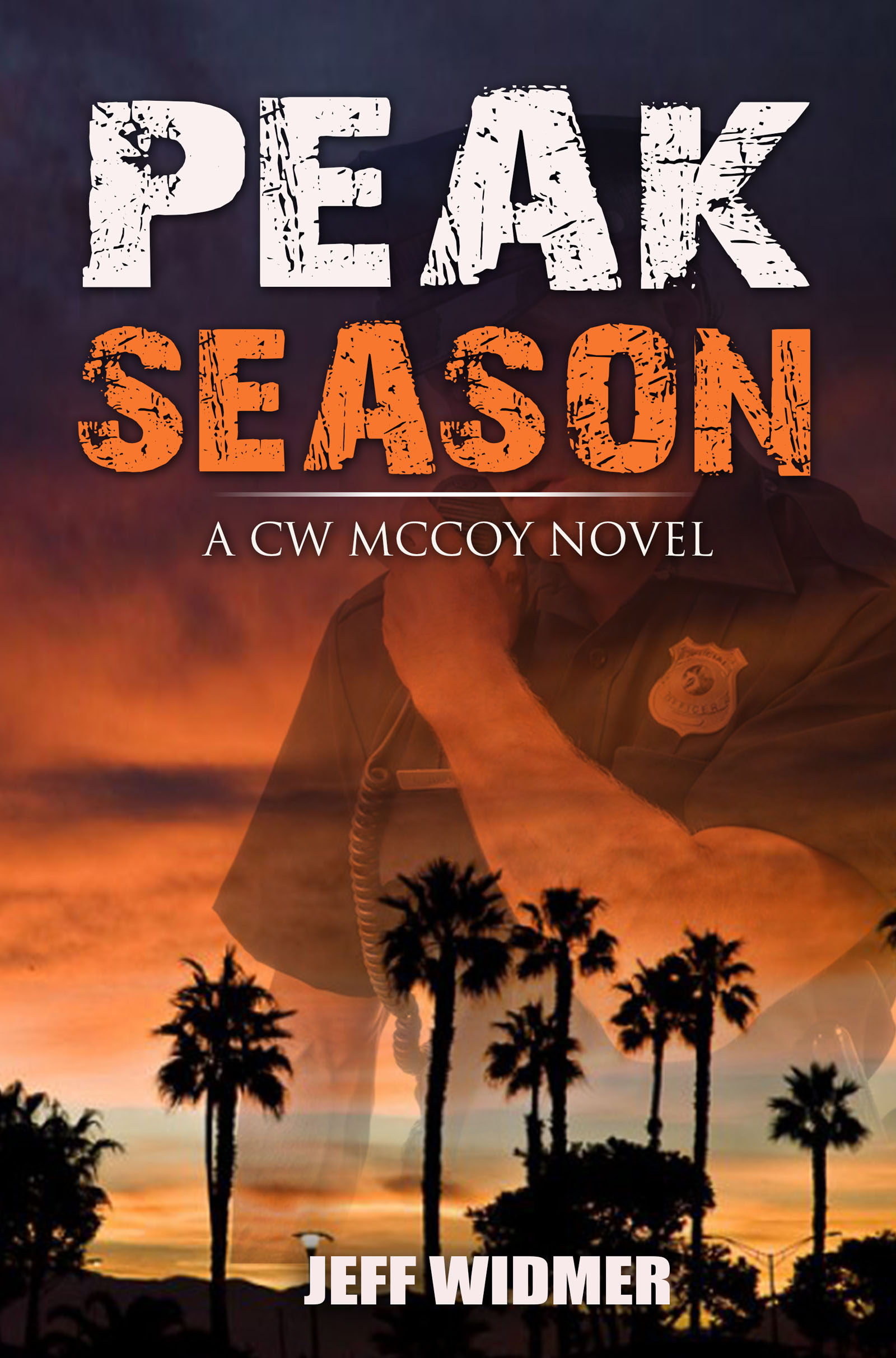
Peak Season is the first in a series of crime novels featuring a former police officer turned real estate agent and a retired state trooper who virtually lives on his boat along the Gulf Coast of Florida. It is a mystery novel, popular fiction that tackles a number of contemporary issues such as property rights and the environment.

I pitched the manuscript to a number of agents. This was before ChatGPT and other large-language models came into vogue, so my email was entirely human-generated. Here’s what I sent:

Dear [agent’s name redacted]:

She’s the wrong person in the wrong place at the wrong time.

Responding to a domestic disturbance, CW (Candace) McCoy is forced to shoot a fellow police officer to prevent the death of his wife and child. Internal affairs rules the shooting justified. CW can’t and fears she’s inherited the killer gene from her father. Refusing to carry a gun, she quits the force and escapes to Southwest Florida to sell real estate, care for the grandfather who took her in after the murder of her family, and silence the demons that threaten her new life. But even in paradise during peak tourist season, there’s no outrunning bad blood.

Original book cover

Declared dead by the courts, Bobby Lee Darby appears in CW’s office to demand the family friend clear his name in a scheme to bilk millions from investors. When CW refuses, the fugitive financier kidnaps her grandfather and triggers a chain of burglary, assault, and murder that convinces local police the former cop has gone rogue.

Racing to find Darby and her grandfather, CW must confront her violent past, risky affairs, and love-hate relationship with Florida before those personal demons turn her new-found paradise into hell on earth.

A former journalist with Dow Jones, I am the author of The Spirit of Swiftwater and other books, with an eponymous website (jeffwidmer.com) and an extensive social network.

Since you look for new voices in women’s suspense and represent [authors’ names redacted], I think the CW McCoy series would make for a good fit with your agency.

I’ve included the first three chapters below. Would you like to see the complete 72,000-word manuscript and the first chapter of the second book in the series?

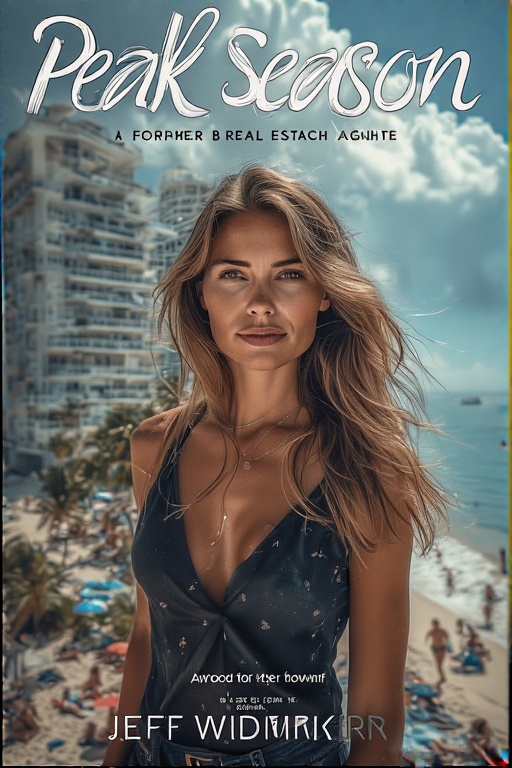
OK. Despite my heroic effort, that letter didn’t work, and I wound up independently publishing the novel in 2014. But what if I were to pitch a rewrite and use AI to generate the query letter? When I fed the text of the entire manuscript into Copilot, I got this:

Dear [Agent Name]:

I am thrilled to introduce Peak Season, a novel that captures the electric tension between fleeting beauty and the transformative impermanence of life. Set in a sun-drenched coastal town where every summer day burns with both promise and poignancy, this story follows [Protagonist Name], a determined soul navigating the dizzying interplay of desire, loss, and rebirth. As the town swells with the vibrant energy of peak tourist season, long-hidden family secrets, unexpected romances, and personal reckonings emerge, forcing our heroine to confront the true cost of chasing a dream—even when that dream burns as bright as the midsummer sun.

AI-generated cover

At its heart, Peak Season is a deeply atmospheric exploration of the human spirit. It invites readers to savor the bittersweet cadence of relentless change: the ephemeral thrill of new beginnings and the heart-wrenching inevitability of endings. Through lyrical prose and raw, immersive storytelling, the novel paints an intimate portrait of individuals who, like the turbulent coastal tides, are in constant flux—seeking meaning in moments both fleeting and profound.

I believe that Peak Season will resonate with readers who appreciate literature that not only entertains but also challenges them to reflect on the impermanence and intensity of life. Its richly woven narrative and authentic emotional depth offer a fresh voice in contemporary literary fiction—a voice destined to captivate audiences in today’s dynamic literary landscape.

Thank you for considering this submission. I would be delighted to send you the full manuscript and discuss how Peak Season can find its place among today’s most compelling literary works.

Warm regards,

The transformative impermanence of life? I’ll accept raw, immersive storytelling. Even a fresh, contemporary voice. But literary fiction? A bridge too far, and an inaccurate reading of the tone of the book, which is more Chandler and Evanovich than Proust or Joyce.

But enough of my views. What do you think? Is AI the shortcut to greater productivity and happiness or a Trojan Horse we’ll live to regret?

Ask your computer or phone. They’ll know.

Everything Old is New Again

It’s easy to blame Amazon.com for the downfall of on-site shopping, but there are larger social forces at work, generational and technological shifts in how people buy and move their goods. Still, many of the shrines erected to shopping over the last half-century stand empty, a testament to the continued migration to the digital world.

The enclosed shopping mall began life in the mid-1950s in Sweden, Wisconsin, and New Jersey, part of a movement from urban flight to suburban sprawl. The rest of America followed.

In the Gulf Coast resort town of Sarasota, Florida, the Sarasota Square Mall opened on September 28, 1977. Forty-six years later, it lies virtually empty of anyone except walkers seeking shelter from the sun. During its heyday, it featured more than a million square feet of shopping with storied merchants such as Macy’s, Sears, and JCPenney, a 12-screen AMC Theatres, and—as an add-on—a Costco. As late as 2019, the mall’s website listed 44 stores and other businesses. Today, only AMC, Costco, and two restaurants in the food court remain.

Plans to redevelop the mall into everything from senior housing to county offices have floated for years. The current owner, Torburn Partners, wants to build 1,200 apartments on the site, with grocery, retail, and restaurant space. JCPenney, Costco, and AMC would remain.

Everything old. . . .

Defeating ‘the American Plague’

Yellow fever doesn’t have the cachet of the Black Death or the Asian flu, but the mosquito-borne disease nicknamed “the American Plague” has tormented the world for centuries.

The U.S. Centers for Disease Control and Prevention estimates the virus causes 200,000 cases and 30,000 deaths each year, and not just in the tropics. The disease first struck New York City in 1668, followed by at least 25 major outbreaks in the Americas, including an 1878 epidemic in the Mississippi River Valley that killed 20,000 people.

There is a vaccine, developed after the opening of the Panama Canal in 1912 by scientists throughout the world. However, historically it needed to be freeze-dried, a process prone to mechanical issues until it was refined in the early 1950s by National Drug in the small hamlet of Swiftwater, Pennsylvania.

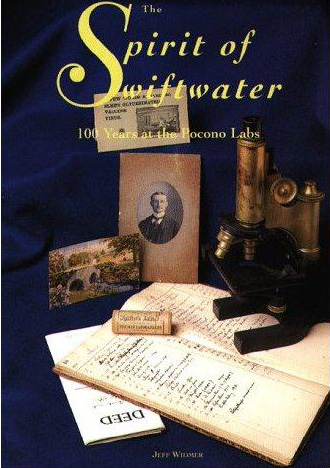
You can read the story of this and other vaccine innovations in The Spirit of Swiftwater, a chronicle of the pioneers of immunization who fought to revolutionize healthcare in America.

An outbreak of innovation

The Spanish flu outbreak of 1918 wasn’t the first pandemic to sweep America.

In the late 1800s, smallpox ravaged the nation. In New York City, the mid-century death rate from the disease hit 21.9 people per 100,000. In nearby Pennsylvania, by 1900 the disease had killed thousands.

There was a vaccine. And it worked. Some of the time. And there were side-effects.

The solution? A cross-cultural effort that combined French ingenuity with American innovation.

You can read the full story in my first book, The Spirit of Swiftwater, a chronicle of the pioneers of immunization who fought the odds to revolutionize healthcare in America.


When history repeats itself

It’s wonderful when readers are touched by something I’ve written. As Carla-Donna has given me permission, I thought I’d share her review of my first book, The Spirit of Swiftwater: 100 Years at the Pocono Labs. It chronicles the history of vaccines in the 20th century, through the stories of people who helped to eradicate smallpox, among others diseases. Here’s Carla’s history, and her take on the book.
“I just purchased The Spirit of Swiftwater. The reason being, I was wondering if they were going to start work on a vaccine for the COVID-19 virus. When I looked them up, somehow I was introduced to your book. Long story short, I grew up in Stroudsburg, my home town, and had once applied for a job at Swiftwater during my college years at East Stroudsburg State College. Our friend, Pete Gerard, made it his career working there. It was nice to see his name in the book.
“My name is Carla-Donna (Holmgren) Martin. My father, Donald Holmgren, had a store in Stroudsburg, Donald’s Family Shoes, for many years.
“As it turned out, I became a registered medical technologist and retired from working 40 years in the hospital laboratory at Lancaster General Hospital, Lancaster, PA. My husband and I live in Lititz now and still visit Stroudsburg several times a year.
“Kudos to you for this very informative work on the Swiftwater Lab. Doc Slee was a household name growing up and this book was enlightening on his family and wonderful achievements and the ups and downs of the lab’s growth.
“In light of what we as a nation and the world are going through right now, hopefully a vaccine will be forthcoming from Swiftwater!”

The vaccine-hunters

The novel coronavirus is sweeping the world. How does a vaccine-maker meet that challenge?

More than a hundred years ago, Dr. Richard Slee faced a similar situation with another virulent disease–smallpox. His fight provides a window into that process, and a cause for hope.

First, some background on one of the unsung pioneers of medicine. (His story appears in detail in my first book, The Spirit of Swiftwater.) Slee was born in 1867, a golden age of American expansion. He became a physician and went to work for the surgeon general of the Army, later the United States, a forward thinker who was concerned about the spread of smallpox. Pandemics in sixteenth-century Mexico killed 3.5 million people and accounted for nearly 9% of all deaths in nineteenth-century England. By the late 1800s, similar outbreaks were ravaging major cities in the United States.

The irony was, Americans had access to a vaccine. It just had some serious side effects, and that generated a public backlash. The French, on the other hand, had developed a safer version. The surgeon general wanted to manufacture it in the United States, and sent Slee to France to learn the secret.

Slee returned with a glowing report. Not only was the French formula more efficient, it had fewer side effects. As a bonus, it offered a longer shelf life, essential to any medicine that isn’t immediately used.

The surgeon general was so impressed, he encouraged Slee to build his own facility to manufacture the vaccine.

The rest, as they say, is history.


For business, the high cost of high tide

The tide is shifting. The debate over global warming has moved from theoretical to practical. As in, what is the cost of climate change to businesses and, eventually, to all of us?

Real estate agents find themselves at the heart of the issue. Anything that affects property values affects their livelihood. So it’s encouraging to see a call to action from one of their own.

Craig Foley, chair of the National Association of Realtors’ Sustainability Advisory Group, says that ignoring the impact of climate change on real estate has serious business implications. “Particularly in coastal areas, members have told me both they and their clients are worried about declining property values and buyer interest.” The piece, entitled “We Don’t Have 50 Years to Wait,” appears in the March/April 2019 issue of Realtor magazine.

In case you think that’s the hype of tree-huggers, Foley backs his observation with well-credentialed statistics. “Researchers at the University of Colorado at Boulder and Pennsylvania State University compared properties that are similar except for their proximity to the sea and found that the more exposed homes sold for 6.6 percent less than the others during the sample period from 2007 to 2016.”

Foley ends his commentary with this thought: “As I see it, we can’t afford to be on the wrong side of history on climate change.”

That captures a core issue of Permanent Vacation, a novel in which the protagonist, real estate agent CW (Candace) McCoy, discovers that encouraging construction in a flood zone is a sure way to sink a career.

You can read Foley’s commentary here. If you buy or sell real estate and have a comment on this or any other issue, you’re welcome leave it here as well.


A man for all time

The dark lord of marketing is back, and he’s aiming his talents at politics. Can civility survive?

Brinker, the antihero of Mr. Mayhem, has lost his magic. The agency’s CEO wants him to ace the competition. His former girlfriend wants him in detox. And as rival advertising executives disappear, an ambitious state trooper wants him in jail.

At this rate, the PR whiz who turned a serial killer into a national brand may have to vanish himself.

Throw in toxic waste, a nude car wash and a gun-toting presidential candidate and the czar of PR will have to spin some potent magic to escape the snare of lies and greed that threatens to destroy his job, his sanity and the love of his life.

In Mr. Magic, the ad world struggles to cope with Brinker’s insatiable lust for sex, satire and PR events that push the boundaries of legality and taste. The second outing for the defrocked journalist is available through Amazon, Apple Books, Barnes & Noble, Kobo and by special order at bookstores everywhere.

A rising tide floats all buildings

Sometimes reality catches up with fiction.

Yesterday, a Florida Senate committee advanced legislation that would require the state to plan for rising seas. The action comes after storm surge has repeatedly flooded parts of Miami and threatened its infrastructure.

The proposed legislation is unique in that it avoids the politically divisive issue of climate change and addresses the economic aspect of rising sea levels.

Lawmakers aren’t alone in considering the financial impact of coastal development. The economics, and ethics, of building in flood zones form the central premise of Permanent Vacation, a novel set in a fictionalized version of Sarasota and Bradenton, Florida, both of which border the Gulf of Mexico. Central to that issue is whether governments should encourage or discourage behavior that puts people and property at risk.

Permanent Vacation is available from Amazon, Apple Books, Barnes & Noble, Kobo and Smashwords. You can read the story about Florida lawmakers here.