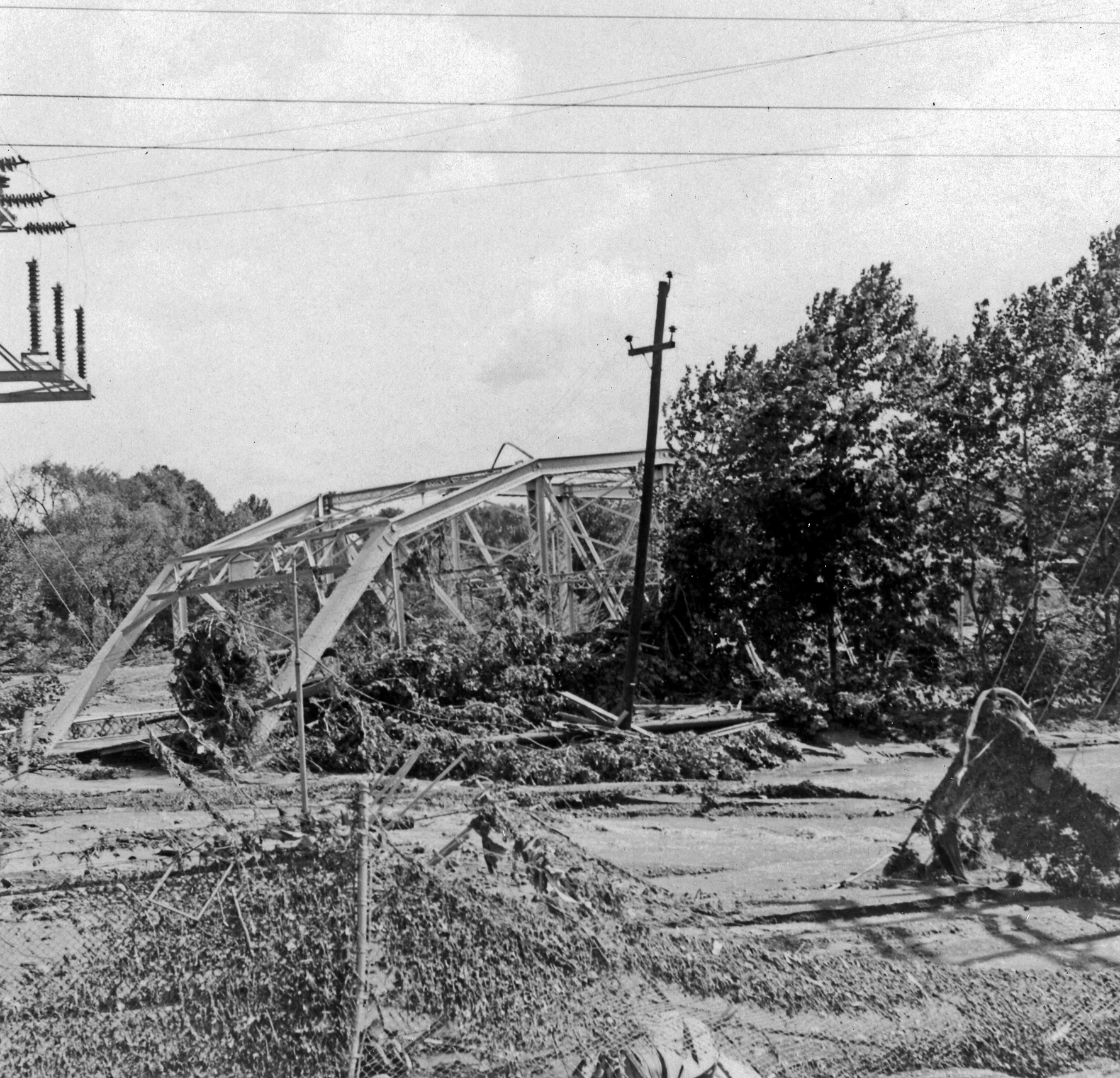
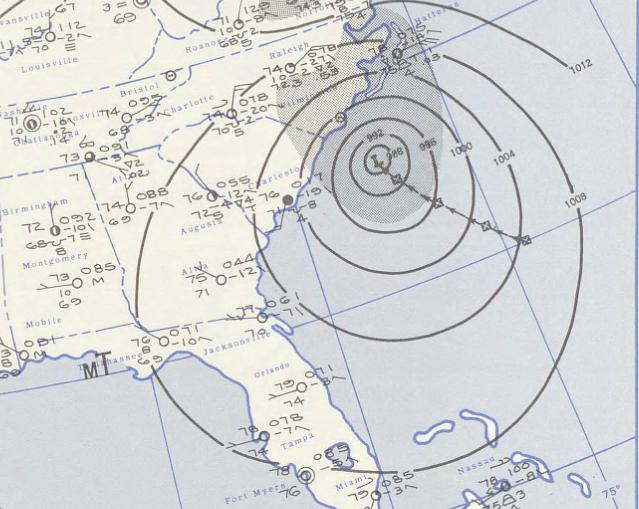
Nearly 70 years ago, twin hurricanes devastated our small Pennsylvania community. The flooding was horrific. Overnight, the small creeks and streams we’d taken for granted became raging rivers, crushing towns under a wall of water. Some 78 people died in our area alone.
For those who survived, August 18, 1955, would change their lives.
Our house was spared, but neighbors weren’t so lucky. Days after the event, my father took me on what we’d later call the disaster tour. I remember standing in the blistering sun, a cruel irony after so much rain, to gaze at mudflats that went on for miles, the ground dried and cracked, stones protruding like skulls. Once there’d been woods and houses along the creek. Now, there was nothing but a mocking trickle of water.
I became a journalist and went to work for the local newspaper. Every few years, it would print an issue to commemorate the flood. My editor asked me to interview some of the survivors. I tried to capture their fear and faith, but there’s only so much that will fit into an article. One day, I promised myself, I’d write a truer account of those times, one that put that fear, bravery, and love in the broader context of the Cold War, told through the eyes of a family struggling with the everyday concerns of the 1950s—Communism, polio, bullies, sexual repression, mass consumerism, and the ever-present threat of nuclear war.

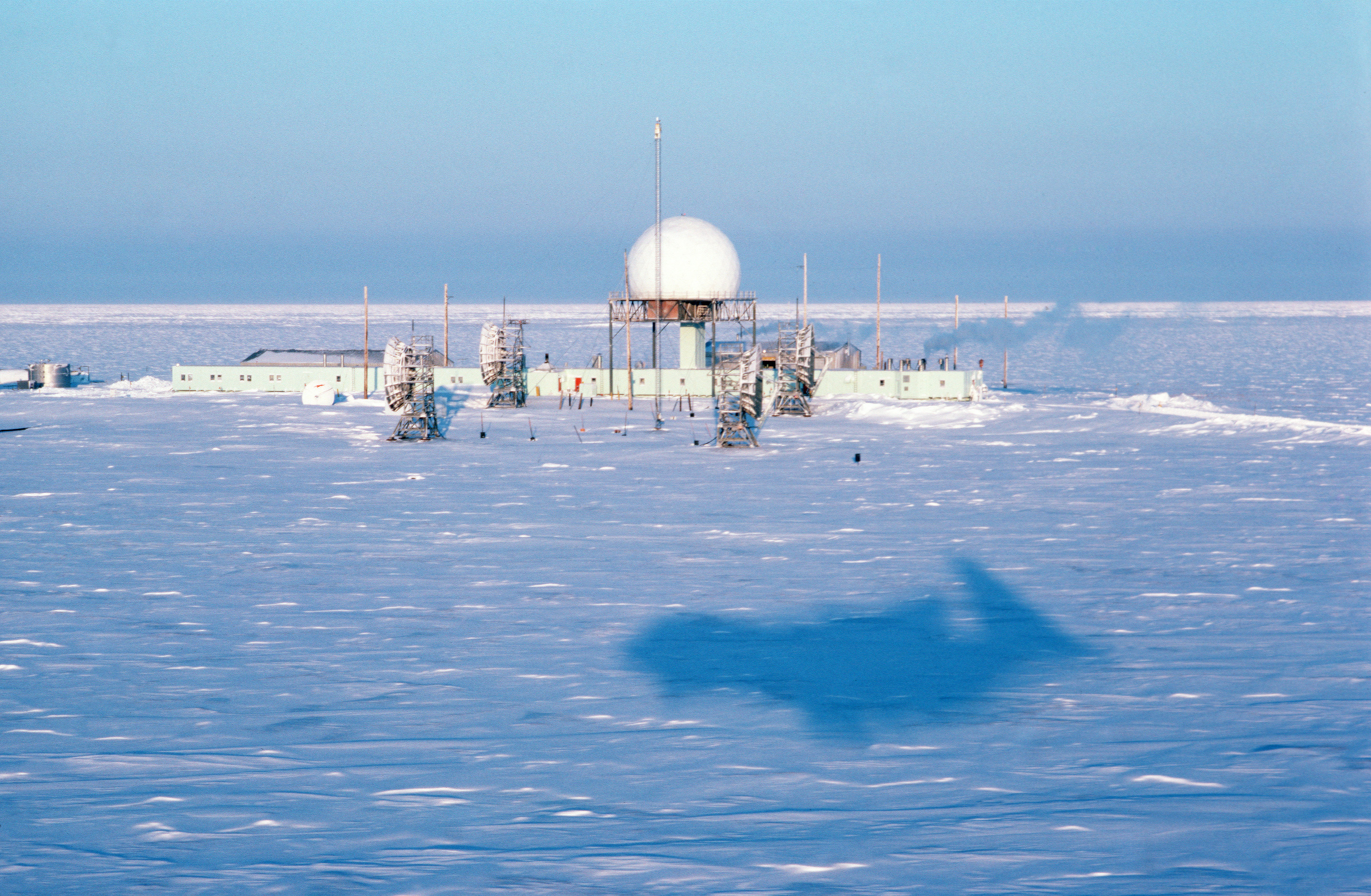
It took some time, but I published the first novel in 2022. Distant Early Warning tells the story of the Andersen family—Georgia the housewife, Marsh the ad salesman and fireman, and 10-year-old Wil—as they struggle with the promise and perils of mid-century America. The book takes its title from the DEW Line, a system of radar stations designed to warn America of an impending Soviet attack. The title also encapsulated the idea that all of us have a built-in personal warning system that we often ignore.

To explore the Andersens’ recovery from the flood and the paranoia of the era, I followed that novel with a sequel, Cold Fire, which takes its title from a description of radioactive fallout that. Cold to the touch, fallout burns. So, for the Anderson family, does guilt. Each member carries a secret fear—that they are responsible for the tragedy consuming their lives. Just as each will discover that they alone hold the key to surviving this brave new world. As with the DEW Line, cold fire became a metaphor of the times.
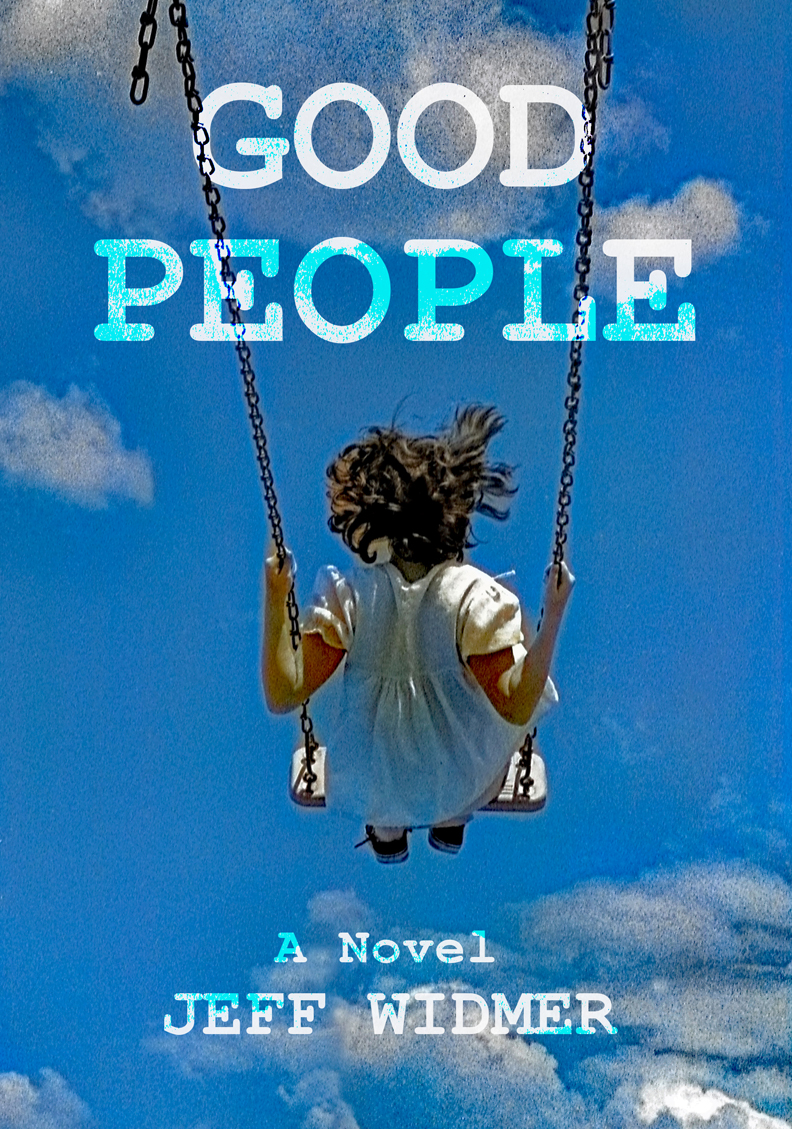
The capstone of the series, Good People, takes place as the family and the country enter the most intense period of the Cold War. Georgia yearns to break free from the isolation and grief that has gripped her for years. Marsh wrestles with a passion for possessions and the redhead next door. And ten-year-old Wil struggles with bullies, a violent cousin, and a surprising attraction to girls.
Conflicts explode as flirtations invite danger, the cousins uncover a spy, and an arsonist targets the town. Yet despite their loss, the Andersens continue to search for the goodness in others—as well as themselves.
Good People lays bare the dreams and desires of 1950s America. A story of trial and triumph, it illuminates a crucial time in history while shedding a light on our own.
Good People is on sale now. You can preview the novel here.



 Jeff Widmer