A Not-So-Distant Warning

August 18, 1955 is a day that will live in infamy for people of the Northeast. That was the day the Flood of ’55 ravaged our small town. Back-to-back hurricanes Connie and Diane turned peaceful creeks into raging torrents, sweeping aside towns from Pennsylvania to Connecticut and killing hundreds, seemingly in the blink of an eye.

As a child, I don’t remember much of that time, but years later, as a journalist investigating the events of that terrible night, I was stunned by the hardship and heroism of those who survived. With the benefit of hindsight, I decided to explore their stories through a series of novels.

The first book in the trilogy, Distant Early Warning, introduces us to the Andersen family as they struggle to recover from the devastating flood. The novel, and the ones to follow—Cold Fire and Good People—portray the dreams and fears of a family, town, and country as they navigate the promise and perils of Cold War America. Distant Early Warning doesn’t only refer to the DEW Line, the system of Arctic radar stations designed to detect incoming Soviet bombers. The title serves as a metaphor for the internal system that warns us of impending danger, warnings we often ignore.

Russia, rockets, race, and repression—issues the Andersens tried to resolve in the ’50 that revisit us today. As does their struggle for mercy and hope.

Theirs is a journey from darkness to light. Follow it here. Or start with that terrible night of August 18 in this excerpt from Chapter 4.

AT TEN TO NINE, Georgia let Skippy out for a short walk, wiped the dog’s back with a dishtowel, and moved her box into the kitchen. This was Georgia’s time. Switching on the television, she settled on the couch and tried to watch Fear Strikes Out, a movie Marsh would have liked about center fielder Jimmy Piersall. But at 9:30 the lights vanished with a snap. Suddenly blind, she groped toward the telephone. It was out, too. Now there was no way to call Marsh, even if she knew where to find him. And he had taken the car.
       From the street, shouts competed with the swish of tires, then a shudder as something heavy struck the bridge, rattling the house as if the earth had broken in two. The room squeezed her heart. Inhaling through her mouth, she told herself she was responsible for the children and had to think of their welfare. Marsh said that, if the town declared an emergency, the fire chief would blow the siren, and someone would come to their rescue. She could wait for the siren, but not in this stifling dark.
       Groping through a drawer in the kitchen, she found a small flashlight, thumbed the button and, checking that Skippy was safe in her makeshift bed, traced a path upstairs. Awakened by a noise in the street, Wil emerged from his room, still dressed in his life vest and rocket pack, ready to battle whoever he imagined had attacked the house. Cradling Penny—the baby fussed but didn’t cry, the cereal settling for once—Georgia led him downstairs, where she rummaged through another drawer to find their good tapers and a box of matches. Placing the candles on the table, she opened the screen door and peered into the dark. She didn’t need a light to sense the rush of water across their yard. The town’s storm sewers were designed to handle a hard rain. Their home was not.
       Wil noticed it first. Lifting a hand to stay his questions, she listened to the tinny sound of water trickling into the house. Opening the door to the basement, she played the flashlight over a small lake, the surface foaming like root beer. The seasonal items they’d stored bumped against the bottom of the steps—boxes of clothing, Christmas decorations, a pair of lawn chairs Marsh had promised to fix. Within the time it took to identify each object, the water rose to the second step, then the third. In minutes, it would reach the kitchen, sweeping them and their possessions through the front door.
       The playpen sat a good nine inches above the living room floor. She set Penny inside and turned to her son.
       “You’re a big boy now. I need you to help Mommy move some things upstairs.”
       Slipping into her boots, assuring herself that Wil had buckled his, she tottered down the basement stairs, hanging onto the railing, calling for Wil to be careful. The water had risen so rapidly, she had to duck to see under the rafters. Playing the light over the walls, she watched as water gushed between the stones, flooding the furnace and coal bin and inching dangerously close to the fuse box. They’d used the last of their spares, and there was no way, once the power came back, she was going to wade through that water and use a penny to complete the circuit.
       Urging Wil up the stairs, she closed the door and leaned her head against it. Even with the curtains open, the windows appeared blank, the streetlamps dead. The flashlight cast a narrow cone in one direction only. There was no place to set it and see clearly enough to climb the stairs to the bedrooms. Georgia would have to hold the light and the furniture, and her hands were already slick with sweat. She and Wil were able to lift the lamps, books, and ottoman onto the dining room table. The rugs they lugged upstairs and piled into the bathtub. There would be a mess to clean before she could bathe Penny, but it was the best they could do.
       Wil hovered at her side, jittering as if he had to go to the bathroom. “Can we bring Phil upstairs?”
       Marsh had spoken to Wil about how, as people grew older, they said goodbye to their imaginary friends, but now was not the time for a sermon. Besides, the Philco had cost nearly five hundred dollars, more than a tenth of what Marsh earned at the paper, and Georgia wasn’t about to lose it. She and Wil tried to drag the television up the narrow stairwell but couldn’t shove it past the first few steps. They left it on the landing and made their way to the kitchen.
       Where was Marsh, and was he all right? And where were the firemen he was supposed to send? Wil’s bedtime prayer rang in her head.
       Now I lay me down to sleep.
       The radio had died. Rain thrummed against the roof, the sound clotting her ears. She considered leaving, but where could they go on foot? Besides, there was a house between them and the creek and a concrete retaining wall lining one side of the bank. The town must have thought it would hold the water or they wouldn’t have built it.
       I pray the Lord my soul to keep.
       Thunder rolled over the house, rattled the windows, shook the floor. Wil took her hand. Penny issued a startled cry. Lifting her from the playpen, Georgia moved to heat water for a bottle before she realized the appliances were as dead as the lights. Dumb, she thought and dutifully pushed a nipple through its plastic ring, mixed the formula with tepid water from the tap, and let it sit.
       If I should die before I wake.
       The fire sirens came on with the whoosh of a gas burner, the sound oscillating between panic and fear. It cut through her chest. The creek would ignore the warning. Georgia pictured it as a mythic creature rising on stout legs, beat its chest, thundering its demands. She, too, would not be moved. They would ride out the storm until help arrived.
       I pray the Lord my soul to take.
       The sound of rain intensified. It seemed to buckle the walls. Holding Penny and the flashlight, she instructed Wil to jam towels under the back door. That would keep some of the water at bay. The basement posed the real threat. The old stone walls could collapse. Before sealing the cellar, she ventured a last look. Clasping the light to the baby’s back, Georgia aimed at the door. With her free hand, she reached for the knob and hesitated, her fingers suspended in the beam, her body sensing the weight of something trapped below the stairs, the pressure on a dam ready to burst. As if watching herself, she grasped the handle and cracked the door.
       Even as she stumbled back, she knew she’d made a terrible mistake.

By the Time We Got to Woodstock

August 15, 1969, capstone of a tumultuous decade. Life in the rural town of Pennsboro, Pa. is about to explode. A dam that would flood the valley pits family against family. Marchers riot. Buildings burn. Amid the chaos, two lovers risk everything to fight for their home—and a chance to command the stage at a rock festival in a farmer’s field in New York State, an event we now know as Woodstock.

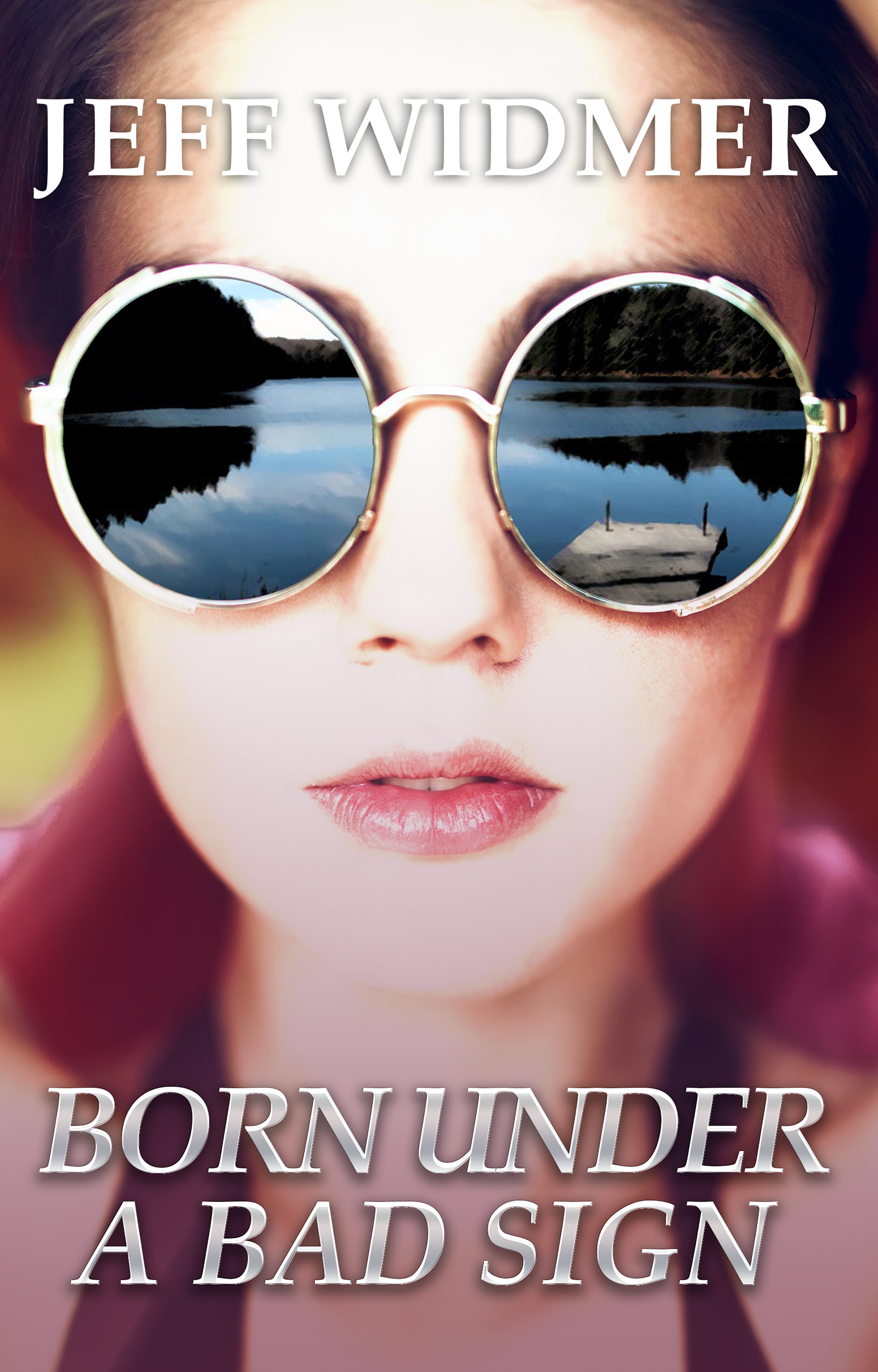
I grew up in those times, in the shadow of an unpopular dam, the government’s eviction of squatters, surrounded by the sounds of peace, love, and revolution. To understand the contradiction, I wrote a novel about those two kids. The result was Born under a Bad Sign, a dramatic and nuanced portrait of love and loss in the Sixties.

It begins, as many of our stories do, with a crush. Elizabeth Reed loves photography, the river the government wants to dam, and a musician who refuses to commit. Hayden Quinn, the guitarist Rolling Stone calls the next Jimi Hendrix, feeds another obsession—to play the biggest concert of his life. He presents Elizabeth with a dilemma: stay to save her family’s farm, or follow him into the unknown.
With saboteurs targeting everyone she loves, Elizabeth faces the greatest risk of all—whether to trust her head or her heart.

You can read the full story of their struggles here. Or start with Chapter 1 and the night the world fell away.

1.

FROM BEYOND THE HILLS came a jagged flash of light. Elizabeth Reed counted five seconds before the sound rumbled across the infield of the raceway, this makeshift venue for the largest outdoor rock concert on the East Coast. Another flash, and another ripple of thunder. In an improvised call and response, the crowd echoed its approval. The tower that held the lights and PA system trembled. So did Elizabeth’s arms and legs. She let the dizziness pass and, willing her stomach to settle, tucked both cameras under her arms and climbed to the sky.
       The warm-up band had just finished, the announcer promising that Orwell, fresh off its national tour, would soon take the stage. A wall of people surged forward. Despite the scalding July heat, this was the group’s homecoming and the locals had turned out in force, thousands of ragged kids with beards and muumuus, jostling each other in a fog of beer and smoke. Two years after Monterey Pop and the festival had come of age. So had the band.
       The tower swayed enough to cause Elizabeth to question her bravado. Despite the knot in her stomach, she climbed past speakers and spotlights for a better view of the makeshift stage, a plywood floor laid across a half-dozen flatbed trailers. The platform had been hastily constructed for the festival, the biggest in Pennsylvania’s Minisink Valley and a warm-up for one she’d heard could be even bigger, next month’s Woodstock Music & Art Fair in nearby New York.
       That was the real object of the evening’s performance, a final rehearsal for Orwell and its leader, Hayden Quinn, the guitarist Rolling Stone had called the next Jimi Hendrix, the man that Elizabeth, fresh out of high school, had followed halfway across the country as the band’s unofficial photographer. It was make or break time for the group. The band’s manager, Elizabeth’s Uncle Morey, had invited the man organizing Woodstock, Michael Lang, to attend the concert. So far, she hadn’t seen anyone fitting Lang’s description.
       As the wind rose to meet the night, Elizabeth realized that, if the crowd pressed closer, the tower could tip. Since her dizziness disappeared if she didn’t look down, she focused on the distance, tracking the Delaware as it wandered between Pennsylvania and New Jersey like a nomad, flowing freely despite the government’s effort to dam the river and drown her family’s farm. With the telephoto lens, she could isolate her property, snug in the rich bottomland of the valley. Camera in hand, river and fields spread below, she felt exhausted, scared, and ridiculously happy.
       Voices below startled her. Dressed in black, two members of the security crew waved her from the tower. The yelling morphed into the sound of hammering. Against the raw wood of the stage, Tommy Reed nailed cardboard cylinders to rows of two-by-tens, preparing the fireworks for the evening’s finale. He seemed dwarfed by the munitions.
       When the sound system kicked in with a recording of “Crossroads,” Elizabeth gripped the metal pipes to maintain her balance. Despite the rush of adrenaline, her arms ached from lugging the heavy Nikons all day. With a normal lens, the weight seemed bearable. But when loaded with a zoom and a motor drive, the outfit felt as if it weighed as much as a bale of hay. Before she descended, she snapped a picture of Tommy as he wired his makeshift rig, the camera hot and slippery in her hands. Heaven help them if she dropped it on his head.
       As soon as she landed, the security officers assumed their positions in front of the stage while the roadies assembled the last of the equipment. Her older brother Robbie frowned as he arranged cymbals and tightened the drumheads, his rusty hair in a deliberately unhip buzzcut. Reaching above his head, Cordell White plugged his bass into a stack of amplifiers and plucked a few notes. Unlike Robbie, who wore his usual white T-shirt and shorts, Del had dressed for show in leather pants, a jacket of purple satin, and a high-crowned Navajo hat with a yellow plume. Both of them looked frustrated, or mad.
       Tommy caught her eye and jerked his head toward the edge of the stage. He, too, appeared angry, a look that was highlighted by chapped lips, hair the color of licorice, and a nose as sharp as a chisel. The only festive thing about him was the tie-dyed headband.
       “Hey, Cuz,” she said, drawing a face that signaled either irritation or fatigue.
       He smelled of oil and mint. As usual, he wore sunglasses so dark that she wondered how he could see to connect the fireworks. Pecking him on the cheek, she took in the rows of rockets, mortars, and Roman candles that crowded both sides of the stage and felt a twinge of concern. “Aren’t they a little close?”
       Tommy scratched his back with a screwdriver. “Close?”
       “To the band.”
       Another crack of thunder and Tommy dragged a tarp over the pods. “Wait and see.”
       As security stopped a ginger-haired man flashing press credentials, Elizabeth regained the tower. One by one, the members of Orwell wandered onto the stage to a cascade of applause. Robbie positioned his cymbals, Del and Quinn hunched over tuning pegs, and Mattie, jiggling her ample ass, asked the crowd how they were doing. As the band struck its first tectonic chord, the audience thundered their approval.
       Mattie belted out the first number with a ferocity that shook the towers, all trace of her Southern accent lost in the ricochet of sound. Robbie thrashed as if he were drowning in one of the cow ponds on the family farm. Even Del, who usually bobbed in place, stalked the boards, his face a darkening cloud.
       Quinn followed with a scorching lead that featured a collision of Bach, Thelonious Monk, and Hendrix. Shirtless now and barefoot, he played with a single-mindedness akin to religious devotion, prowling the stage, slashing his guitar, bending strings until they threatened to snap. He hammered the neck with both hands as if playing a piano, the sound a frenetic cross between Paganini and Robert Johnson, the shaman who’d sold his soul to the devil for his talent.
       From her perch, she tracked the band, feeling more than hearing the smack of the mirror as it lifted to admit the light, the whir of the motor drive as it advanced the frames. Pace yourself, she thought, or you’ll run out of film.
       Like a tsunami, the intensity of the music grew, Quinn hurtling his body into the wave of sound, his head bowed, shoulders hunched, fingers on fire. Dreadlocks flew as he reared, face twisted in ecstasy, the notes tracking across his lips. No matter how many times she’d seen the show, Elizabeth felt stunned, and not just by the acoustical acrobatics. With the flick of his fingers, Quinn guided the music from brave too anxious to calm. Elizabeth felt warmth and humor, sadness and pity, and so much in between. It astonished her that anyone could convey such emotion without the use of a single word.
       The band continued the pace, blazing through songs as if racing to an uncertain end. By the close of the set, their faces shone with euphoria and sweat. Robbie raised his sticks, caught the eye of Quinn and Del, and they miraculously finished on the same beat, even as Tommy launched the first volley of fireworks, burning the night in a shower of red and gold.
       The musicians filtered off stage, waited a beat, and returned to a swelling ovation. With a deep bow, and a nod from Mattie, they launched into one of the medleys Quinn had arranged as an encore. Even before Elizabeth traced their faces through the telephoto, she could tell that, as the music grew more frantic, they struggled to hear. Hitting the final chorus, Mattie looked over her shoulder as if she were lost in the woods. Robbie buried his head in his drum kit. Del and Quinn traded places, Del moving to the monitors along the wing while Quinn arched over the stage to listen to the PA speakers.
       The music had grown so loud that Elizabeth could barely feel the vibration through the camera body as the motor drive cranked through another roll of film, thirty-six exposures in a matter of seconds before she hunched to reload.
       This time, the band didn’t leave the stage. They bowed slightly, as if they’d expended so much energy they had little left for movement, before launching into the second encore, a reprise of their single, “Bomb Babies,” that ended in a cataclysmic version of Tchaikovsky’s 1812 Overture. Quinn had shortened the piece for maximum impact and, when he nodded, Tommy let loose with his final volley.
       From the corner of the viewfinder, Elizabeth watched the skyrockets arc into the night and explode in phosphorescent swirls. She grabbed a shot of Tommy, who timed the bursts to coincide with the downbeat. As the encore hit its crescendo, he quickened the pace, unleashing a white-hot assault that mimicked the original cannon fire. The band fed off the energy, Quinn and Robbie flailing, Del leaning dangerously close to the fireworks while Mattie spread her arms to embrace the crowd.
       Then, as Elizabeth lifted the camera to her face, the stage flashed with a blinding light and the world exploded.

But our intentions were good

Our writers’ group had a discussion this morning about the use of AI to generate content. Is it a high-tech form of plagiarism? Does the work to which it is applied constitute original art? Digitally generated voices have already rendered obsolete the narrators of audio books. Will AI do the same to writers?

To illustrate the dilemma, one of the authors said he was astonished at the accuracy and sophistication of the answers he’d received after asking Microsoft’s AI assistant to summarize the chapters of his memoir. He’s about to pitch the book to an agent and was looking for a convenient way to describe the work.

Another writer said she’d used AI to generate a summary for the back cover of her memoir and felt pleased with the result.

I’ve used AI for research but never for pitching or publication. So, when the meeting ended, I uploaded the text of my first novel and asked Microsoft’s Copilot to write a summary for an agent. It might have taken 18 seconds to get an answer. It wasn’t what I’d expected.

I’ll let you judge whether it’s appropriate. But first, some background.

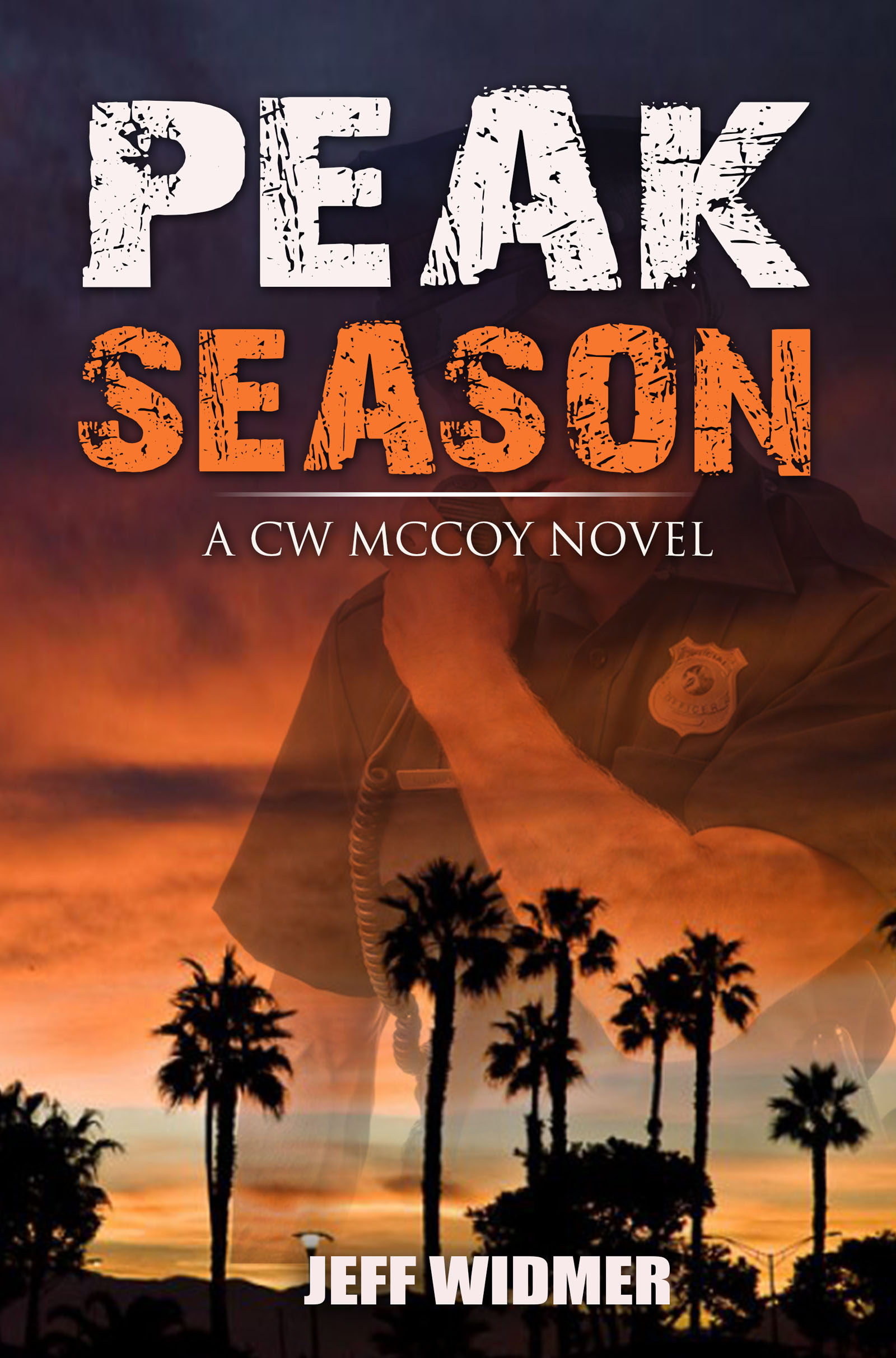
Peak Season is the first in a series of crime novels featuring a former police officer turned real estate agent and a retired state trooper who virtually lives on his boat along the Gulf Coast of Florida. It is a mystery novel, popular fiction that tackles a number of contemporary issues such as property rights and the environment.

I pitched the manuscript to a number of agents. This was before ChatGPT and other large-language models came into vogue, so my email was entirely human-generated. Here’s what I sent:

Dear [agent’s name redacted]:

She’s the wrong person in the wrong place at the wrong time.

Responding to a domestic disturbance, CW (Candace) McCoy is forced to shoot a fellow police officer to prevent the death of his wife and child. Internal affairs rules the shooting justified. CW can’t and fears she’s inherited the killer gene from her father. Refusing to carry a gun, she quits the force and escapes to Southwest Florida to sell real estate, care for the grandfather who took her in after the murder of her family, and silence the demons that threaten her new life. But even in paradise during peak tourist season, there’s no outrunning bad blood.

Original book cover

Declared dead by the courts, Bobby Lee Darby appears in CW’s office to demand the family friend clear his name in a scheme to bilk millions from investors. When CW refuses, the fugitive financier kidnaps her grandfather and triggers a chain of burglary, assault, and murder that convinces local police the former cop has gone rogue.

Racing to find Darby and her grandfather, CW must confront her violent past, risky affairs, and love-hate relationship with Florida before those personal demons turn her new-found paradise into hell on earth.

A former journalist with Dow Jones, I am the author of The Spirit of Swiftwater and other books, with an eponymous website (jeffwidmer.com) and an extensive social network.

Since you look for new voices in women’s suspense and represent [authors’ names redacted], I think the CW McCoy series would make for a good fit with your agency.

I’ve included the first three chapters below. Would you like to see the complete 72,000-word manuscript and the first chapter of the second book in the series?

OK. Despite my heroic effort, that letter didn’t work, and I wound up independently publishing the novel in 2014. But what if I were to pitch a rewrite and use AI to generate the query letter? When I fed the text of the entire manuscript into Copilot, I got this:

Dear [Agent Name]:

I am thrilled to introduce Peak Season, a novel that captures the electric tension between fleeting beauty and the transformative impermanence of life. Set in a sun-drenched coastal town where every summer day burns with both promise and poignancy, this story follows [Protagonist Name], a determined soul navigating the dizzying interplay of desire, loss, and rebirth. As the town swells with the vibrant energy of peak tourist season, long-hidden family secrets, unexpected romances, and personal reckonings emerge, forcing our heroine to confront the true cost of chasing a dream—even when that dream burns as bright as the midsummer sun.

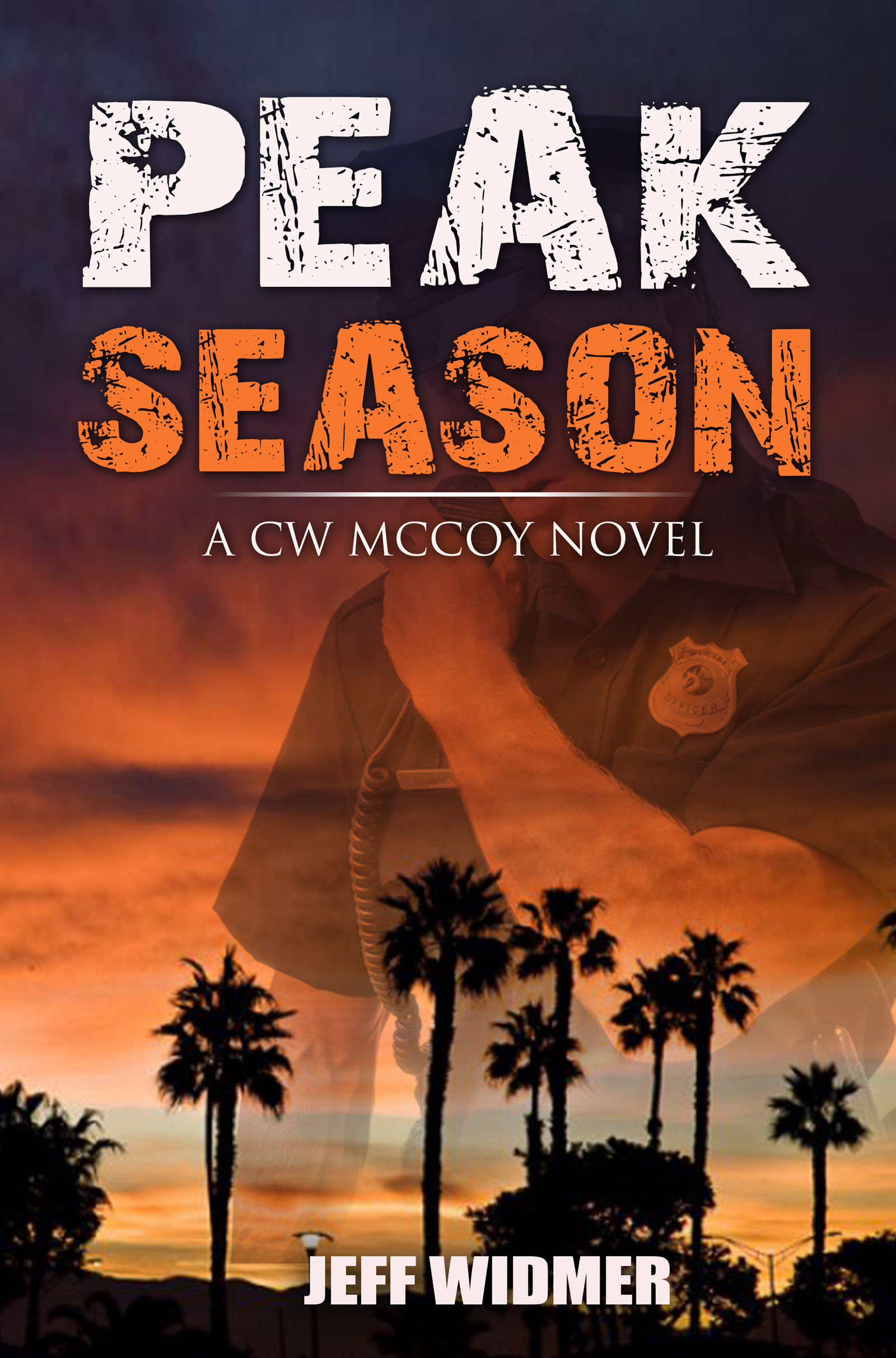
AI-generated cover

At its heart, Peak Season is a deeply atmospheric exploration of the human spirit. It invites readers to savor the bittersweet cadence of relentless change: the ephemeral thrill of new beginnings and the heart-wrenching inevitability of endings. Through lyrical prose and raw, immersive storytelling, the novel paints an intimate portrait of individuals who, like the turbulent coastal tides, are in constant flux—seeking meaning in moments both fleeting and profound.

I believe that Peak Season will resonate with readers who appreciate literature that not only entertains but also challenges them to reflect on the impermanence and intensity of life. Its richly woven narrative and authentic emotional depth offer a fresh voice in contemporary literary fiction—a voice destined to captivate audiences in today’s dynamic literary landscape.

Thank you for considering this submission. I would be delighted to send you the full manuscript and discuss how Peak Season can find its place among today’s most compelling literary works.

Warm regards,

The transformative impermanence of life? I’ll accept raw, immersive storytelling. Even a fresh, contemporary voice. But literary fiction? A bridge too far, and an inaccurate reading of the tone of the book, which is more Chandler and Evanovich than Proust or Joyce.

But enough of my views. What do you think? Is AI the shortcut to greater productivity and happiness or a Trojan Horse we’ll live to regret?

Ask your computer or phone. They’ll know.

The band with kaleidoscope eyes

Fifty-three years ago, a group of high school kids calling themselves Shagg performed as the warmup band for the bubblegum hit machine The Ohio Express. What a contrast in musical styles, and whiplash for the audience, who’d come to hear the Top 40 classic “Yummy Yummy Yummy” and got Hendrix, Cream, and The Who. (“Yummy” hit No. 4 on the U.S. charts in April 1968. Although we eyed fortune and fame, our band never had a hit, or a recording contract. As Kurt Vonnegut would say, So it goes.)

The date was Saturday, June 22, 1968, the venue the Hullabaloo Club in Wind Gap, Pennsylvania, a pole building off a four-lane highway that looked like a World War II bivouac and felt the size of an aircraft hanger. Concrete floor, metal walls. I doubt anyone heard anything except a wall of noise. It certainly sounded that way from the stage.

Shagg’s original lineup consisted of Chip Decker on bass, Bob Dittman on rhythm guitar, John McAllister on drums, and me on lead guitar. The band expanded with the addition of Joey Raynock on keyboards, Gene Gorse on the Hammond B-3, and Ron Oney and Don Chase on vocals.

I wrote about that and other formative experiences of our generation in FINDING WOODSTOCK, which you can find at Amazon, Apple Books, Barnes & Noble, Kobo and other fine retailers.

As for the poster, yes, it is the original, on neon cardboard, with additional styling by Chip, the artist in the band. He added the flowers, the smoke streaming from the locomotive, and a girl with kaleidoscope eyes (it was the Sixties). Oh, yes, and the most important element that was missing from the original: our name.

What’s my line?

The logical successor to the Washington Post article on famous last lines in fiction is a piece on opening lines. Since Ron Charles hasn’t written that one yet, here are a few suggestions for the sequel on first lines that pull the reader into a work:

From A.J. Finn’s The Woman in the Window:

Her husband’s almost home. He’ll catch her this time.

From Ray Bradbury’s classic Fahrenheit 451:

It was a pleasure to burn.

From Jonathan Franzen’s The Corrections:

The madness of an autumn prairie cold front coming through. You could feel it: something terrible was going to happen.

If I might add to that body of work the opening lines from Mr. Mayhem, the first of the series of crime novels about a chronically underemployed former journalist with revenge in his soul:

Brinker stood beside the body with its red flannel shirt and black ski pants and two-tone duck boots and smiled. “Couldn’t have happened to a nicer guy.”

What’s your opening line?


Famous last words

Ron Charles has written an intriguing article for the Washington Post on famous last lines in fiction. Intriguing in that the lines summarize the emotional volume of the work. They leave you with a sense of satisfaction, a reward for reading to the end.

Charles leads with an example from the Adventures of Huckleberry Finn, in which the restless Huck foreshadows people as disparate as Jack Kerouac and Cole Porter (you remember 1934’s “Don’t Fence Me In”):

I got to light out for the territory ahead of the rest, because Aunt Sally she’s going to adopt me and sivilize me, and I can’t stand it. I been there before.

Haven’t we all. Which is why I’d like to add a few memorable lines to the list.

From Philip Kerr’s novel The Pale Criminal, in which former Berlin police officer Bernie Gunther takes on the ugly and ironic job of solving crime in Nazi Germany. In the final scene, Gunther watches workers rake and burn leaves in the Botanical Gardens, “the acrid gray smoke hanging in the air like the last breath of lost souls.”

But always there were more, and more still, so that the burning middens seemed never to grow any smaller, and as I stood and watched the glowing embers of the first, and breathed the hot gas of deciduous death, it seemed to me that I could taste the very end of things.

Anna Quindlen also writes about endings in Miller’s Valley—of the drowning of a community and its culture, the loss of the narrator’s family farm and her brother Tommy—but comes to a different conclusion:

I never go over that way, to the recreation area. Never have, in all these years, even when the kids wanted to water-ski or swim. I let them go with someone else. I don’t even drive by there. But every couple of years I have a dream. I dive down into green water and I use my arms to push myself far below the surface and when I open my eyes there are barn roofs and old fences and a chimney and a silo and sometimes I sense that Tommy’s there, too, and the corn can, and my father’s workbench, and a little tan vanity case floating slowly by. But I swim in the opposite direction, back toward the light, because I have to come up for air. I still need to breathe.

While it cannot compare with Twain or Quindlen or Kerr, a final line from the first in the CW McCoy series of crime novels, Peak Season, carries its own emotional punch. CW has run to Florida to escape her violent past. Here she shares birthday cake and the mission to protect her grandfather with friend and mentor Walter Bishop:

Taking a deep breath I said, “You know what I’d like?”

“Another cupcake?”

“What I came here for . . . peace and quiet.” I pecked him on the cheek. “No more drama. From now on, I’m selling real estate and taking care of Pap.”

He gave me a cracked smile. “We’ll see.”

Isn’t what why we read to the end of anything?

What’s your closer?

The Candidate

In honor of the current election cycle, an excerpt from my suspense/thriller, Mr. Magic. You can read the full-tilt lunacy of the role public relations plays in this and other marketing campaigns at Amazon, iTunes, Barnes & Noble, Kobo and bookstores almost everywhere.

And now, Brinker, the defrocked journalist turned PR whiz, will show you how campaigns work their magic:

On a blustery day in early April, Mary Margaret Paulson stood in an open hanger with the snow swirling like dust devils and gazed at the adoring masses. She looked every bit the presidential candidate. Perfect cheekbones, glossy red lips and a bushel of rich brown hair. Long legs in a black pencil skirt, lacy blouse and a red power jacket with shoulders big enough to carry half the states to the convention.

On the campaign trail she’d been called Chillbilly and Bible Spice for her passionate defense of religious freedom. The media mocked her. The pundits hated her. But Brinker knew one thing that many had forgotten: the woman oozed sex from every pore, and men and women alike would sacrifice their firstborn to share the air with her.

The scene resembled a campaign rally. An American flag hung behind two corporate jets emblazoned with the cement company’s logo. Paulson stood on a wooden A-Treat box behind a lectern decorated with patriotic bunting and waved like the queen on parade. A crowd of at least a thousand swelled around her, a line of police officers in reflective vests keeping protesters and supporters on opposite sides of the concrete apron. Sitting in rows of folding chairs under space heaters were local and state dignitaries, representatives from the governor’s office, county council members and the mayors of every city within a fifty-mile radius. The rest of the rabble stood in the cold, their hats declaring allegiance to Garth Brooks, the Phillies and the NRA.

Brinker focused on Paulson’s speech. In an effort to cut costs, the cement company wanted to burn hazardous waste. Residents weren’t convinced by the company’s health studies, which showed emissions would remain below EPA thresholds. His position paper had dealt with the need to balance environmental protection with economic growth. He’d reduced it to three bullet points. Paulson hadn’t gotten through the first when she veered off-message like a bike that had lost its training wheels. She ranted about liberals and intellectuals, the elite and the effete, people who were ruining the country with their bleeding hearts and costly regulations, stifling growth and free enterprise and everything that made America great.

The crowd cheered and Brinker, the PR whiz who’d turned a serial killer into a national brand, started to worry that the stunt wouldn’t backfire, that it wouldn’t create the chaos that guaranteed national coverage. Then, from across the tarmac, he heard the sound of grinding gears and smelled the belch of diesel exhaust as an ancient blue school bus tottered around the corner of the hanger and four dozen Korean woman dressed in hot pink jumpsuits piled out, Buddha at the fore, the notes of Psy’s “Gangnam Style” throbbing from a speaker on the roof.

Buddha, AKA Benjamin Kwon, community organizer and ace travel agent who helped the pursued disappear from the grid. Handing signs to the women—he’d economized by printing both sides, “Feel the Burn” on the front and, on the back, “Burn, Baby, Burn”—he marched them through the crowd, the Koreans forming a wall between supporters and protesters. As they twirled their signs and waved to the camera, Buddha broke away and headed for the perimeter.

Brinker sidled up to him. “How’s it going?”

“’Oppa oppa Gangnam style.’”

“You should run for office.”

Realizing that reinforcements had arrived, Paulson pointed at the ground with a sharply manicured finger and shouted, “This is it! Right here in little old Allentown, PA! The front lines of the battle, the home of concrete and steel that made this nation great!”

The crowd surged, one half cheering, the other half waving signs mounted on wooden stakes the size of baseball bats. Brinker could smell the blood lust as it raced through them, flaring nostrils, pumping muscles, raking their skin until they began to howl.

The handlers must have felt the massive animal coiling for a strike because two of them flanked the lectern as Paulson finished her speech with the pump of a fist and the cry of “Burn, baby, burn!”

The audience exploded, the police line collapsed. Protesters wielded their signs like clubs. Politicians ducked behind the flag. The cement company’s security force, standing respectfully at attention during the remarks, formed a firewall while the handlers hustled Paulson through the back of the hanger.

As police rushed in with batons, Buddha pulled Brinker to the sidelines. Above the roar of sirens, he said, “We have failed you, my friend.”

Brinker smiled as video crews captured the melee. “It’s all good.”

Gardner’s Ghosts

On a warm Tuesday in September of 1982, I received a letter from the novelist John Gardner about a collection of my short stories he’d been gracious enough to critique. That evening, as I sat in the newsroom editing copy, the city editor swiveled his computer monitor and said, “You should read this.”

Gardner had died that day, the 14th, in a motorcycle accident. The description in the story that had moved over the wire read like something from his novels. It didn’t make sense. I’d just seen him, on my first and only visit to his house in Susquehanna, Pennsylvania, standing in his makeshift office, touring his home, speaking to his fiancée. He was a living legend among writers, his novel October Light a bestseller, his newest at the time, Mickelsson’s Ghosts, leading the book review section of the New York Times. Unlike many celebrities, he was approachable, hospitable to emerging writers. And now he was gone.

John Champlin Gardner Jr. was born on July 21, 1933. His death 36 years ago came as a blow. The author of 14 novels and numerous others works, he taught at the Bread Loaf Writers’ Conference and the State University of New York’s Binghamton University. All notable achievements, but a CV hardly describes his influence.

Over the course of his career, he evolved from ardent critic to mentor who embraced veterans and novitiates alike. Still, his true north was in storytelling. He eschewed labels, focusing on the ancient art, rewriting epic tales like Beowulf from the monster’s point of view and putting people at the heart of great philosophical debates. He strove to create what he called “a vivid and continuous dream” in the mind of the reader, writing novels with an intensity often reserved for short stories and poetry.

His passion overflowed in his nonfiction, too. Gardner seemed obsessed with the collision of philosophy and culture. He constantly argued against nihilism, a doctrine that claims nothing is knowable and rejects all distinctions in moral value. In his work of criticism, On Moral Fiction, he called for books with “just and compassionate behavior,” art that “establishes models of human action.” It’s likely he deeply identified with Grendel, the monster in Beowulf, who finds itself cast from heaven because it is ugly, comes from a bad family and asks too many questions—possibly a comment on the maligned state of humans, as Gardner’s father was a lay preacher.

While his characters were not always models of behavior, Gardner treated students and aspiring writers with a generosity and grace consistent with his values. I first met him in May of 1982 after he spoke, at the invitation of professor and novelist Fred Misurella, at East Stroudsburg State College, in the Pocono Mountains of Pennsylvania. Gardner looked the part of the Great Writer, sporting a shock of white hair overflowing his forehead and small, wrinkled bags under his eyes. His ubiquitous pipe kept winking out as he talked. He also acted the part. After reading aloud the first page of one of my stories, he invited me to his home in Susquehanna for a longer critique.

* * *

Gardner lived across an open metal bridge on the edge of town, in a farmhouse nestled among the hills the locals call the Endless Mountains, purplish gray and draped with mist like the webs of tent caterpillars. The clapboard house resembled an old train station, with curlicues over the porch. Inside sat Gardner’s son, Joel, a photographer, and Susan Thornton. She and John were to be married that Saturday. A colleague of his handed him a few short stories and a novel for Gardner’s comments. They talked about producing plays in Susquehanna and about a literary magazine on which he was working.

Then it was my turn. Gardner retreated to his study, a spare room with big windows, to concentrate on the story I’d brought. His desk consisted of a door resting on two sawhorses, covered with pipes and stacks of papers. He hunched over the work, making quick notes in pencil. Then he and Susan had to leave, Gardner apologizing repeatedly for offering me so little time.

In the living room, I asked Joel how much of his father’s work was autobiographical. Not much, he said, but then opened the door to the dining room. With its thick beams and sparkling new plaster, it resembled something out of Mickelsson’s Ghosts.

There were other similarities. The main character in that novel, Peter Mickelsson, is a professor at SUNY Binghamton who is battling a failing national reputation and the IRS. He lives in Susquehanna and is going through a divorce. That much mirrored Gardner’s life. But Mickelsson is going mad, his mind enflamed with the ghosts of Martin Luther and Nietzsche, as well as his wife, son, two lovers and a murderous couple who used to live in the farmhouse. Joel smiled at this and said his father invented most of the book.

* * *

John Gardner was born in Batavia, in northwestern New York. His father worked as a dairy farmer, his mother as a high school literature teacher. His first novel sold about a thousand copies, but The Sunlight Dialogues became a bestseller in 1972 and October Light won the National Book Critics Circle Award in 1976. He was an academic but not an elitist. Playboy paid top dollar for his short stories. (“Julius Caesar and the Werewolf” appeared in September 1984). He raced motorcycles, survived surgery for cancer of the colon and was married several times. He settled in rural Susquehanna on a 30-acre farm and continued to work.

A gifted writer with a marvelous ear for dialogue, he always wrote interesting books. But with Mickelsson’s Ghosts, he had completed his evolution, merging philosophy with a vital narrative, tempered by a humility that bordered on self-doubt. By the time he got to Susquehanna, he’d turned the ferocious critic into a man who wanted to say good things about others. People believed he was trying to find his place.

That day at his house, he seemed subdued. Seated on the couch, he spoke in a smooth and quiet voice about future projects. As an aside, I said I’d had trouble finding his work in the local bookstore. The novels weren’t filed under the category of “Fiction.” I’d asked the clerk if she carried the author and she led me to the back of the store. We found his books filed under “Literature.”

Gardner listened intently, without expression, then threw back his head and laughed.

What’s my (opening) line?

I was sitting next to NPR science correspondent Christopher Joyce when he challenged the group to recall a favorite first line of a book. His was the opening of the Gabriel Garcia Marquez novel, One Hundred Years of Solitude. “Many years later, as he faced a firing squad, Colonel Aureliano Buendia was to remember that distant afternoon when his father took him to discover ice.”

We went round robin. My contribution was the epic opening of John Mortimer’s introduction to his titular character in “Rumpole and the Younger Generation,” a line (it stretches half a page) too long to reproduce here, let alone remember in full at the time.

I hadn’t thought about that conversation until last week, when I came across the short story “The State of Nature” by Camille Bordas in The New Yorker. The story opens with the line, “I slept through the burglary.” Now, who could possibly do that? I thought. It’s a provocative lead, one that introduces the unique voice of a singular character. I read the story in one gulp.

There are many well-known openings, from Moby-Dick (“Call me Ishmael”) to the Tale of Two Cities (“It was the best of times, it was the worst of times”) to the oft-parodied line from Edward George Bulwer-Lytton, “It was a dark and stormy night.”

I’m sure you have some favorites, maybe Nabokov’s “Lolita, light of my life, fire of my loins” or Tolstoy’s opening to Anna Karenina, “Happy families are all alike; every unhappy family is unhappy in its own way.”

Just so.

And then there are the lesser-known kickoffs, the ones that brim with promise, that say, if you keep reading, you shall discover new worlds with a companionable guide.

Here, in no particular order, is a collection of my favorites, a mix of contemporary and classic lines from male and female authors alike:

“Woman’s lying in bed and the bed’s on fire.” Don Winslow, California Fire and Life.

“Once upon a time, there was a woman who discovered she had turned into the wrong person.” Anne Tyler, Back When We Were Grownups.

“I have a meanness inside me, real as an organ.” Gillian Flynn, Dark Places.

“It began, as the greatest of storms do begin, as a mere tremor in the air, a thread of sound so distant and faint, yet so ominous, that the ear that was sharp enough to catch it instantly pricked and shut out present sounds to strain after it again, and interpret the warning.” Ellis Peters, The Sanctuary Sparrow.

“On my forty-ninth birthday, I decided that all of life was hopeless, and I would eat myself to death.” Anne Lamott, Plan B.

“It was a put-up job, and we all knew it by then.” Anna Quindlen, Miller’s Valley.

“The night Vincent was shot he saw it coming.” Elmore Leonard, Glitz.

“This really happened, this story.” Laurie Lynn Drummond, Anything You Say Can and Will be Used Against You.

“I was living with a woman who suddenly began to stink.” T.C. Boyle, “Descent of Man.”

 “Her body moved with the frankness that comes from solitary habits.” Barbara Kingsolver, Prodigal Summer.

“Joe lived, but it wasn’t something he was particularly proud of.” C.J. Box, Open Season.

“The sky above the port was the color of television, tuned to a dead channel.” William Gibson, Neuromancer.

“There are some men who enter a woman’s life and screw it up forever.” Janet Evanovich, One for the Money.

And lastly, my all-time favorite, a slight deviation from the pattern we’ve established here in that the quote needs a second sentence to complete the punchline. It’s from Jennifer Crusie’s breakout novel Tell Me Lies. “One hot August Thursday afternoon, Maddie Faraday reached under the front seat of her husband’s Cadillac and pulled out a pair of black lace underpants. They weren’t hers.”

Now that’s a keeper.

What are you favorite opening lines? Leave a comment here, or on your social medium of choice.